

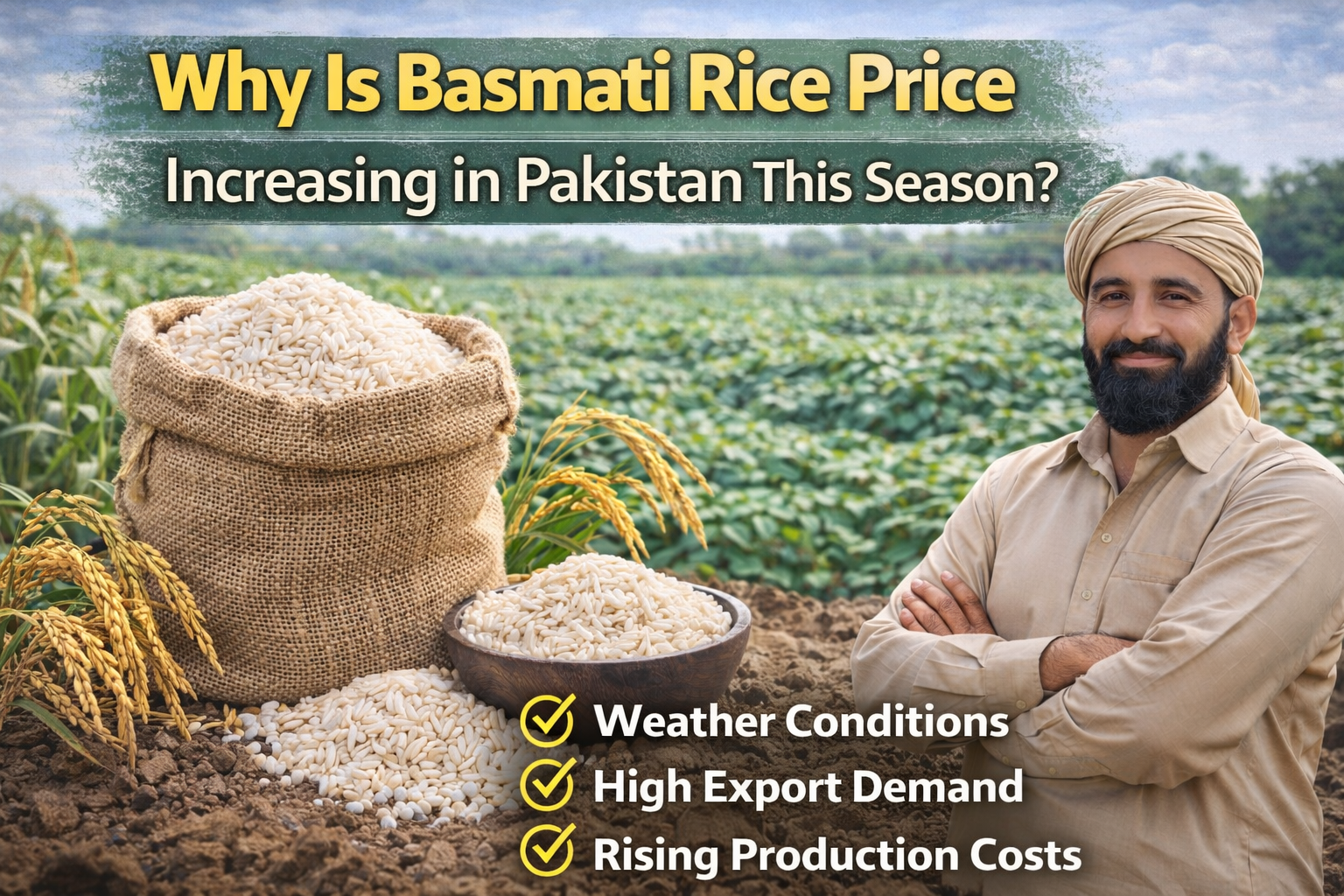
Why Is Basmati Rice Price Increasing in Pakistan This Season?
Basmati rice, known for its exquisite aroma and long grains, has become a staple in many households across Pakistan. However, this season, consumers are witnessing a noticeable spike in the basmati rice price in Pakistan. This article delves into the factors contributing to this price increase, offering insights into the current market dynamics and how they affect both consumers and exporters.
The Current Landscape of Basmati Rice Prices
Before we explore the causes, it’s crucial to understand the current pricing trends for basmati rice. As of this season, the basmati rice per kg rate has surged, impacting households and businesses alike. Various factors have influenced this upward trajectory, including harvest conditions, market demand, and export strategies.
Factors Influencing Basmati Rice Price in Pakistan
1. Climate Conditions and Crop Yields
One of the primary factors contributing to the increase in basmati rice price in Pakistan is climate variability. Unpredictable weather patterns, such as excessive rainfall and droughts, can adversely affect crop yields. The 2023 planting season saw reduced yields in many areas, particularly in Punjab, which is known as the rice bowl of Pakistan.
2. Increased Production Costs
With rising costs of fertilizers, pesticides, and labor, farmers are compelled to increase the selling price of their harvest to maintain profitability. These increased production costs have a direct impact on the super basmati rice price, leading to higher consumer prices.
3. Demand from International Markets
Pakistan is one of the largest exporters of basmati rice. The surge in international demand, particularly from countries in the Middle East and Europe, has put additional pressure on domestic prices. Exporters are prioritizing international orders, resulting in fewer available stocks within the country, ultimately driving prices up.
Market Trends Affecting Basmati Rice Prices
Export Demand and Supply Chain Dynamics
In recent months, the rice export market has seen fluctuations. The government introduced new incentives to boost exports, aligning with international demands. With increased demand abroad, local markets are experiencing tighter supply, which equates to higher prices for the average consumer.
Analysis of Factors Leading to Basmati Rice Price Increase
To better analyze the situation, let’s look at a comparative table that summarizes key factors influencing basmati rice price in Pakistan versus previous seasons.
Comparative Analysis of Basmati Rice Prices
| Comparison Factor | Current Season (2026) | Previous Season (2025) |
|---|---|---|
| Basmati Rice Price (PKR per kg) | PKR 350 and PKR 600 | KR 290 and PKR 400 |
| Super Basmati Rice Price (PKR per kg) | PKR 330 and PKR 585 | PKR 320 to over PKR 500 |
| Annual Export Rate (tonnes) | 4.8 million | 5.8 to 6.0 million |
| Local Demand (tonnes) | 3.9 to 4.1 million tonnes (metric tons) per year | 10 to 11 million metric tonnes |
The Effects of Rice Export Impact on Local Markets
The rising basmati rice price in Pakistan is not solely a local issue; it has wider implications due to the impact of rice exports. As mentioned earlier, the government encourages exports, yet this action often comes at the expense of local consumers.
1. Economic Development Focus
The rise in rice exports is a strategic move by the government aiming for economic development. However, this raises a dilemma — should the priority be economic growth through exports, or should it also cater to the local demand? The government needs to strike a balance to ensure that local consumers do not suffer at the expense of export opportunities.
2. Impact on Related Industries
Another aspect worth considering is the impact on related industries, such as the production of rice-based products. Higher basmati prices can lead to increased prices in these industries, which can trickle down to consumers of rice flour and snacks.
Solutions and Recommendations
As prices continue to climb, consumers and stakeholders in the rice industry need to strategize effectively. Here are some recommendations:
– Encouraging Sustainable Farming Practices: Adopting innovative techniques and sustainable practices can reduce production costs and increase yields.
– Government Policy Adjustments: The government should consider policies that stabilize local prices while promoting exports.
– Consumer Awareness: Educating consumers about seasonal fluctuations can help them make informed purchasing decisions.
FAQ Section
Why are basmati rice prices increasing in Pakistan?
Prices are affected by climate conditions, increased production costs, and growing international demand.
What is the current price of basmati rice per kg?
As of the latest data, the average price is around PKR 220 per kg.
How does export impact local rice prices?
Increased exports lead to reduced availability in local markets, causing price hikes.
Is super basmati rice more expensive than regular basmati?
Yes, super basmati rice tends to be more expensive due to its premium quality, priced around PKR 250 per kg currently.
What can be done to stabilize rice prices?
Sustainable farming, government intervention, and consumer awareness can help stabilize prices.
Conclusion
In summary, the basmati rice price in Pakistan has been on the rise this season due to a combination of adverse climate conditions, increased demand from international markets, and rising production costs. Stakeholders must work collaboratively to find solutions that maintain market stability while supporting both local consumers and the country’s economic growth through exports. By addressing these challenges effectively, we can ensure that the integrity and availability of this beloved staple remain intact for generations to come.


