

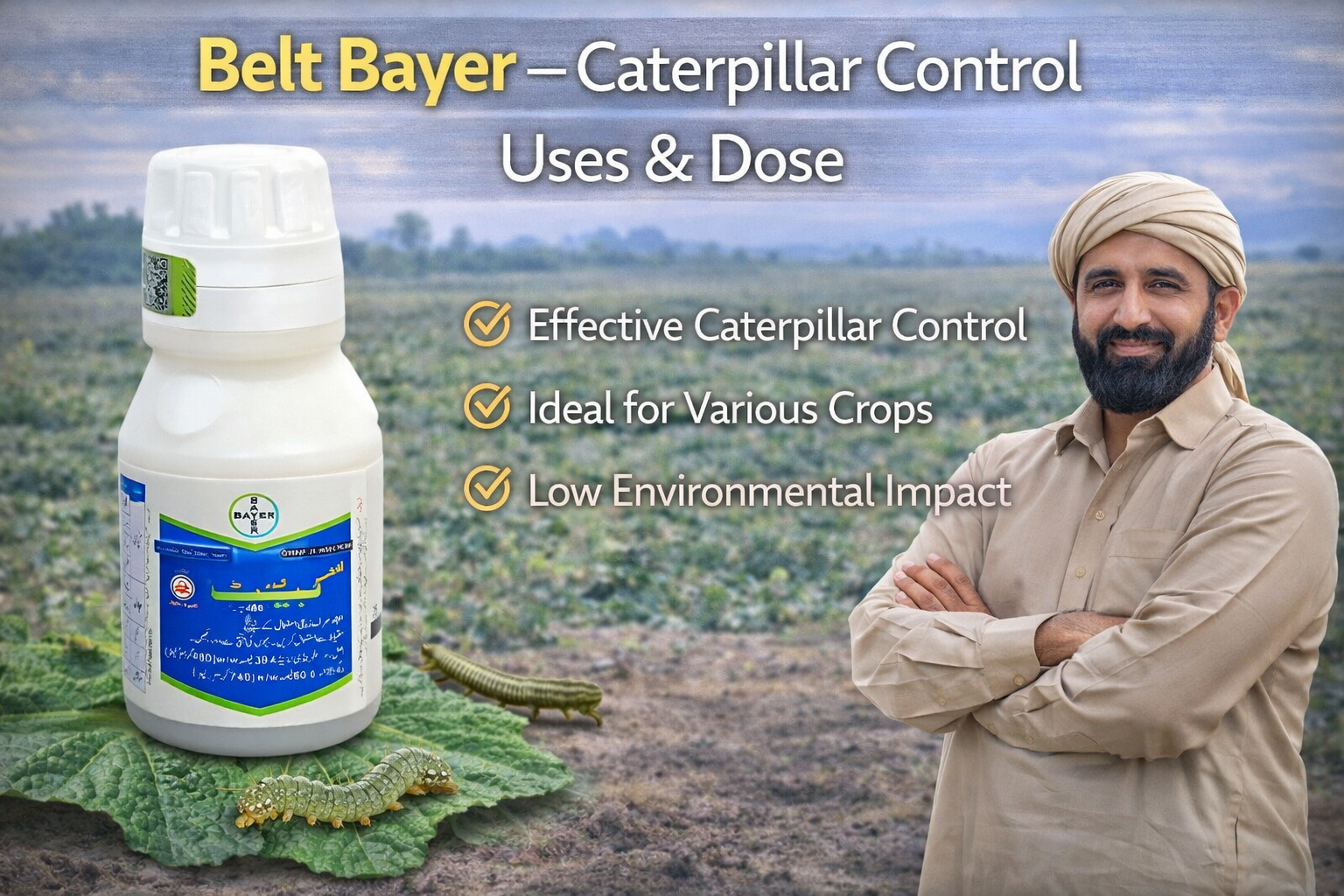
Belt Bayer – Caterpillar Control Uses & Dose
When it comes to managing pesky caterpillars and ensuring the health of your crops, Belt Bayer emerges as a highly effective solution. This advanced insecticide is specifically designed to combat various pests, including caterpillars, which can wreak havoc on your plants. In this blog, we’ll explore the applications of Belt Bayer, its dosage recommendations, and important pricing information for potential buyers.
Understanding Belt Bayer
Belt Bayer is a modern insecticide that targets caterpillars and other pests affecting a wide range of crops. With its unique mode of action, it not only provides protection from immediate threats but also contributes to long-term pest management strategies. Its effectiveness makes it a preferred choice among farmers and agricultural professionals looking for reliable pest control methods.
How Belt Bayer Works
Belt Bayer functions through ingestion and contact. Once consumed by caterpillars, it disrupts their nervous systems, ultimately leading to their demise. This product acts swiftly, ensuring that pest populations are managed efficiently, and has a low impact on the environment, making it an eco-friendly option in crop protection.
Uses of Belt Bayer in Pest Management
Primary Applications
The primary use of *Belt Bayer* is for controlling various caterpillar species including:
– Armyworms
– Cutworms
– Loopers
– Cabbage Worms
Farmers typically apply it to crops such as:
– Cabbage
– Tomatoes
– Corn
– Soybeans
– Brassicas
Timing of Application
The timing of application is crucial for maximizing the effectiveness of Belt Bayer. It is recommended to apply the insecticide when caterpillars are young and actively feeding, as they are more susceptible to its effects. Regular monitoring of crops is essential to identify pest infestations early.
Recommended Dosage for Belt Bayer
Application Instructions
The dosage of Belt Bayer may vary based on the target pest and the cultivar of the plants being protected. Here are some general guidelines:
– For leafy vegetables, the recommended dosage typically ranges from 200 to 400 ml per hectare.
– For corn and soybeans, usage can vary between 300 to 500 ml per hectare.
It’s best to consult the product label for the exact dosage and follow local agricultural advice.
Safety Measures
When applying Belt Bayer, it is vital to use protective gear, including gloves and masks, to avoid any direct contact with the skin or inhalation. Additionally, ensure that the application does not coincide with rainfall to avoid wash-off, which may reduce its effectiveness.
Benefits of Using Belt Bayer
Effective Pest Control
One of the main advantages of using Belt Bayer is its ability to effectively control caterpillar populations, leading to healthier crops and higher yields. The quick action of the insecticide minimizes damage to plants, allowing them to grow freely.
Low Environmental Impact
Belt Bayer is designed with environmental considerations in mind. Its target-specific formulation means it has a minimal impact on beneficial insects, birds, and aquatic systems, making it a more sustainable choice for pest management.
Cost-Effectiveness
Compared to many other pest control options, Belt Bayer’s price remains competitive, offering good value for the level of protection and efficacy it provides. Buyers can find this insecticide at varying prices depending on the market, particularly in regions such as Pakistan, where information about Belt Bayer Price in Pakistan is readily available.
Understanding Pest Management Strategies
Pest management is more than just employing insecticides like Belt Bayer. A comprehensive approach often includes multiple strategies that work together to create an integrated pest management (IPM) system:
– Monitoring: Regularly check crops for signs of infestation.
– Cultural Controls: Implement practices such as crop rotation and resistant varieties.
– Biological Controls: Introduce natural predators of pests to your gardens.
Benefits of Integrated Pest Management
Implementing an IPM strategy not only aids in controlling caterpillar populations effectively but also helps in reducing reliance on chemical controls, ensuring that the environment remains balanced and beneficial for all types of organisms.
FAQs about Belt Bayer
1. Is Belt Bayer safe for use on food crops?
Yes, when applied according to the manufacturer’s instructions, Belt Bayer is safe for food crops, providing effective pest control without compromising food safety.
2. How long does it take for Belt Bayer to work?
Belt Bayer acts quickly, with most caterpillars showing signs of reduced feeding within hours of ingestion.
3. Can Belt Bayer harm beneficial insects?
Belt Bayer is designed to be target-specific, which means it is less likely to harm beneficial insects when used as directed.
4. Where can I purchase Belt Bayer?
Belt Bayer can be purchased at various agricultural supply stores and online platforms. For more information on where to find it, check the Belt Bayer Price page.
5. What are the symptoms of overusing Belt Bayer?
Overusing Belt Bayer can lead to resistance in caterpillar populations and may result in reduced efficacy over time. Always follow the recommended application rates.
Conclusion
In conclusion, Belt Bayer is a powerful and effective solution for managing caterpillar populations in a variety of crops. With its quick action and ease of use, it stands out among other insecticides. For successful pest management, it’s essential to employ Belt Bayer as part of a comprehensive strategy that includes monitoring, cultural practices, and, when necessary, biological controls.
As pest challenges evolve, staying informed about the latest products and use strategies is crucial. Check local listings for the best Belt Bayer Price options, ensuring you are equipped with the right tools to protect your crops effectively.


