

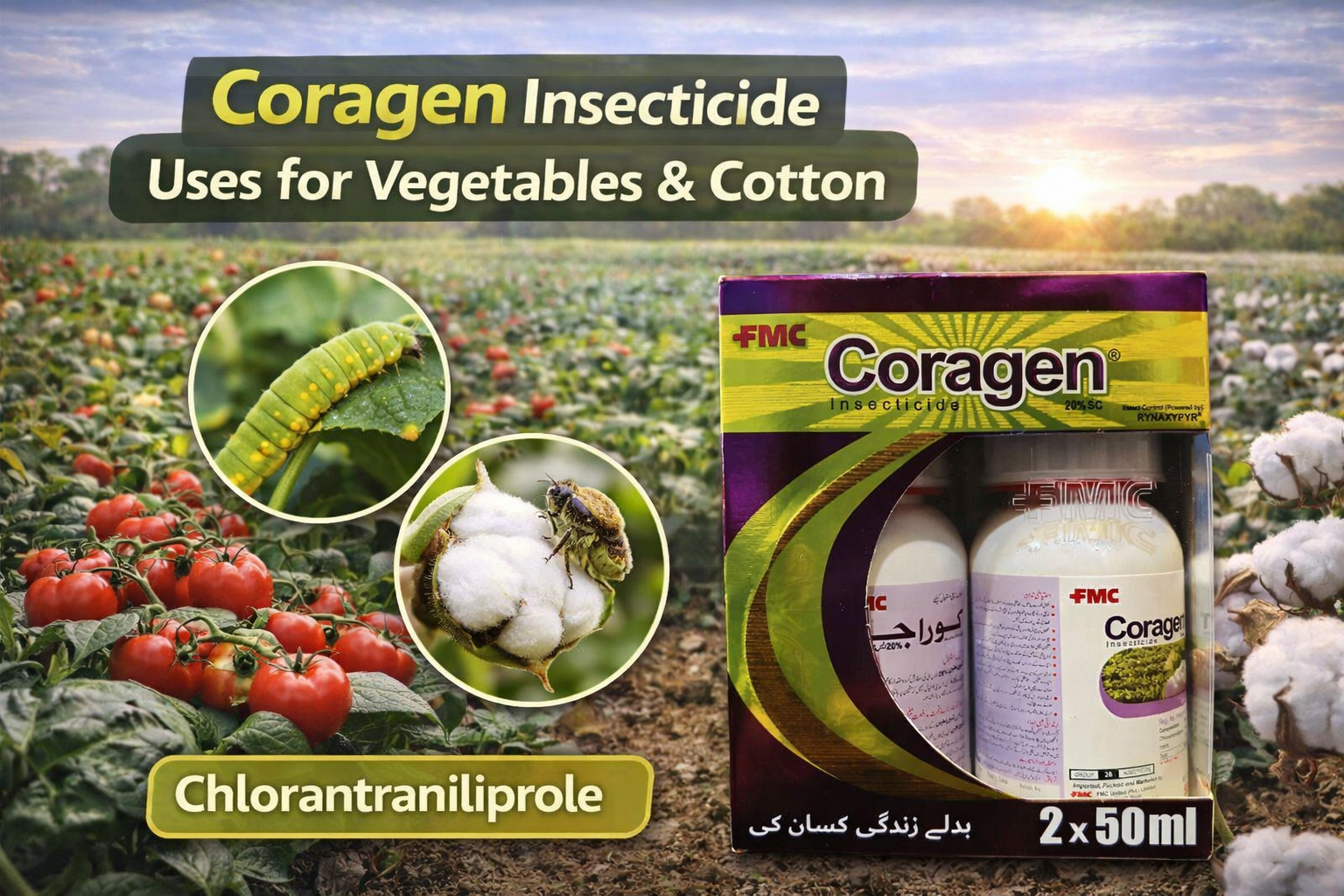
Coragen Insecticide – Uses for Vegetables & Cotton
In modern agriculture, effective pest control is crucial for ensuring healthy crops and maximizing yields. Among the many solutions available, Coragen insecticide stands out for its efficiency and safety. This article delves into the uses of Coragen insecticide specifically for vegetables and cotton, highlighting its active ingredient, chlorantraniliprole, and how it helps in effective pest control.
What is Coragen Insecticide?
Coragen insecticide is a widely recognized product in the agricultural industry, primarily due to its effectiveness against a broad range of pests. The key ingredient in Coragen is chlorantraniliprole, a selective insecticide that acts on pests by interfering with their muscle function, leading to paralysis and eventual death. This mechanism makes it highly effective against various pests that can threaten crops.
Benefits of Using Coragen Insecticide
1. Targeted Action Against Pests
Coragen insecticide specifically targets harmful insects without affecting beneficial ones. This selective mode of action protects your crop and the surrounding ecosystem, reducing the need for multiple applications and consequently lowering overall costs.
2. Long-lasting Protection
The residual effect of FMC coragen insecticide ensures extended protection from pest infestations. With its long-lasting residual effects, it provides ongoing defense against pests, reducing the frequency of applications needed throughout the growing season.
3. Compatibility with Integrated Pest Management (IPM)
Coragen fits seamlessly into Integrated Pest Management (IPM) practices. Farmers can utilize it alongside other pest control methods, making it an integral part of a holistic approach to crop protection.
Application of Coragen Insecticide in Vegetables
Vegetables Most Benefiting from Coragen
Coragen is particularly effective in treating pests that affect a wide range of vegetables. Some of the most impacted crops include:
– Tomatoes: Vulnerable to pests like caterpillars and aphids.
– Cabbages: Susceptible to cabbage worms and other leaf-feeding pests.
– Peppers: Often targeted by fruit flies and other damaging insects.
– Lettuce: Prone to aphids and various beetles.
Recommended Application Methods
1. Foliar Spray: Dilute the recommended amount of Coragen in water and apply as a foliar spray for effective coverage, especially on the undersides of leaves where pests often hide.
2. Soil Drench: For certain pests, a soil drench application may be effective in controlling larvae in the soil.
3. Pre-emptive Application: Regular applications before pest outbreaks can prevent infestations, maintaining crop health throughout the growing season.
Safety Precautions and Guidelines
Farmers should always adhere to safety guidelines when using any insecticides. Ensure you wear protective equipment and follow the manufacturer’s instructions closely. Always conduct a small test patch if trying a new application method.
Application of Coragen Insecticide in Cotton
Benefits for Cotton Crops
Cotton crops face threats from numerous pests, including the cotton bollworm and aphids, which can significantly reduce yield and quality. Utilizing Coragen insecticide as part of your pest management strategy provides:
– Effective Control of Target Pests: Chlorantraniliprole shows high efficacy against common cotton pests, ensuring healthy cotton bolls and leaves.
– Minimized Risk of Resistance: As a member of the Ryanodine receptor modulator class, Coragen has a mode of action distinct from traditional insecticides, helping to combat resistance issues.
Application Techniques
1. Precision Treatments: Utilize aerial or ground spray techniques for even distribution across cotton fields, focusing on pest hotspots.
2. Timing: Optimal timing of application is essential. Early intervention at the onset of pest activity ensures maximum effectiveness.
3. Field Monitoring: Regularly inspect fields to monitor pest populations and determine the best times for application.
Environmental Considerations
The safe use of Coragen contributes to sustainable agriculture. Its targeted approach minimizes environmental impact, allowing beneficial organisms to flourish alongside treated crops.
Detailed Comparison of Coragen Insecticide and Other Pest Control Solutions
Comparison Factors
The table below provides an overview of how Coragen insecticide compares with traditional insecticides.
| Factor | Coragen Insecticide | Traditional Insecticides |
|---|---|---|
| Selectivity | Highly selective; targets only specific pests | Often broad-spectrum; can harm beneficial insects |
| Residual Effect | Long-lasting, reducing need for frequent applications | Varies; may require frequent reapplication |
| Environmental Impact | Minimal; promotes beneficial insects | Higher potential for ecosystem disruption |
| Resistance Management | Unique mode of action helps prevent resistance | Higher risk of developing resistant pest populations |
Frequently Asked Questions
What is chlorantraniliprole?
Chlorantraniliprole is the active ingredient in Coragen insecticide, known for its efficacy against a variety of insect pests by disrupting their muscle function.
How do I apply Coragen insecticide?
Coragen can be applied via foliar spray or soil drench, depending on the targeted pest and crop type. Always follow the manufacturer’s instructions for precise application rates.
Is Coragen safe for beneficial insects?
Yes, one of the main benefits of Coragen insecticide is its selective targeting of harmful pests while minimizing harm to beneficial insects.
Can I use Coragen with other pesticides?
Coragen can often be integrated into an IPM strategy with other pesticides, but it’s always best to consult the product label or an agricultural extension agent for specific compatibility information.
What crops can benefit from Coragen insecticide?
Coragen is suitable for a variety of crops, including vegetables like tomatoes, cabbages, and peppers, as well as cotton.
How often should I apply Coragen insecticide?
The application frequency depends on pest pressure and growth stage of the crop. Regular monitoring is crucial to determine the need for reapplication.
Conclusion
In summary, Coragen insecticide offers an effective and environmentally friendly solution to pest control in vegetables and cotton. Its active ingredient, chlorantraniliprole, provides unique benefits, including targeted action, prolonged protection, and compatibility with IPM practices. By incorporating Coragen into your pest management strategy, you can enhance crop productivity while maintaining ecological balance.
Investing in reliable pest control options like Coragen is essential for sustainable agriculture, fostering a healthier agricultural ecosystem beneficial for farmers and consumers alike.


