

Crops to Plant in September
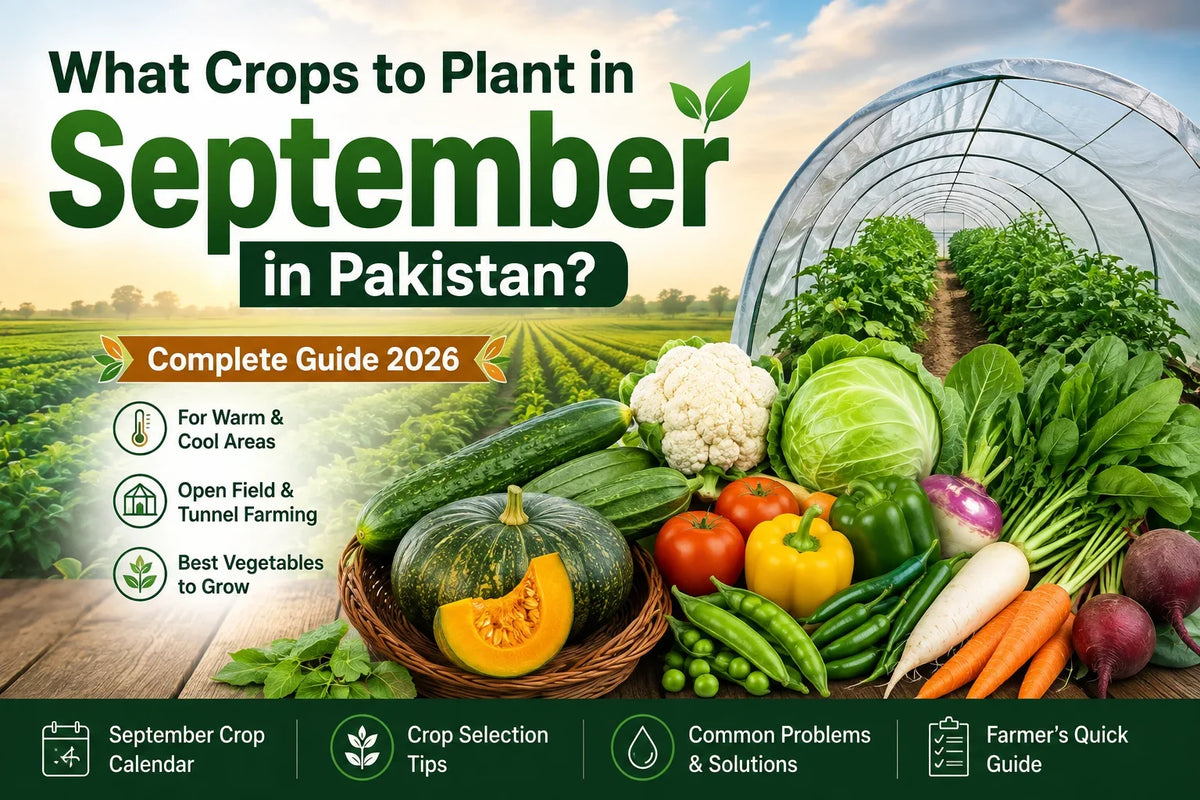
September is an important month for crop and vegetable planting in Pakistan because farmers can choose different crops according to their local weather and farming method. September crops for relatively warm areas include cucumber, ridge gourd, and Gourd, while relatively cooler areas are suitable for tomato, chilli, peas, and potato. Cauliflower, cabbage, radish, turnip, carrot, beetroot, and spinach can be considered in both relatively warm and cool areas. September is also an important time for tunnel farming, where vegetables such as tinda, cucumber, capsicum, green chilli, and tomato can be grown under low tunnels or walk-in tunnels. The right crop, however, should always be selected according to local temperature, soil condition, water availability, and whether the crop will be grown in an open field or tunnel.
September Farming in Pakistan
September is a changing period in Pakistan's farming calendar. The intense summer conditions begin to change in many areas, but the weather is not the same throughout the country. Some regions remain relatively warm, while cooler regions experience more suitable conditions for crops that prefer lower temperatures.
This difference makes location an important part of September crop planning.
A farmer in a relatively warm area should not automatically follow the same crop calendar as a farmer in a cooler area. Similarly, a crop that is suitable for open-field cultivation may need different planning when it is grown under a tunnel.
For this reason, farmers asking what crops to plant in September in Pakistan should consider three main questions:
- Is my area still relatively warm or has the weather become cooler?
- Am I planting in an open field or using tunnel farming?
- Which vegetables are suitable for my local conditions?
This guide divides the September crops calendar into these practical categories so farmers can understand their options more easily.
September Crops Calendar Pakistan
The following September crops calendar provides a quick overview based on relatively warm areas, relatively cooler areas, and crops that can be planted in both types of regions.
| Growing Conditions | September Crops |
|---|---|
| Relatively warm areas | Cucumber, Ridge Gourd, Gourd |
| Relatively cooler areas | Tomato, Chilli, Peas, Potato |
| Both relatively warm and cooler areas | Cauliflower, Cabbage, Radish, Turnip, Carrot, Beetroot, Spinach |
| Tunnel farming | Tinda, Cucumber, Capsicum, Green Chilli, Tomato |
This table should be used as a general crop-planning guide rather than a fixed planting rule. Conditions can vary even between nearby areas because of temperature, soil, rainfall, irrigation, altitude, and other local factors.
How to Select the Right Crop in September
Choosing the right crop is more important than simply searching for a list of September crops to plant. Before sowing or transplanting anything, farmers should look at their own field conditions.
Check Your Local Weather
Pakistan has large differences in climate. September may still feel like summer in one region while conditions may already be much cooler in another.
Instead of choosing a crop only because September has started, check the conditions in your own area. Local temperature and weather can help determine whether warm-season or cooler-season vegetables are more suitable.
Check Your Soil and Field Condition
Healthy crop establishment starts with suitable soil. Before planting, check whether the field has proper drainage and whether the soil condition is suitable for the selected vegetable.
Water standing in the field can create problems, particularly around young plants and roots. Previous crop residues, weeds, and general field cleanliness should also be considered before establishing a new crop.
Consider Water Availability
Different crops and farming systems have different irrigation needs. Farmers should consider whether they have a reliable water source before selecting a crop.
At the same time, more water does not automatically mean better growth. Irrigation should be managed according to crop needs, soil moisture, and weather conditions.
Decide Between Open Field and Tunnel Farming
Another important decision is the growing method.
Many vegetables can be grown in open fields according to suitable local conditions. Tunnel farming, on the other hand, provides a more protected growing environment and is commonly used for vegetable production.
Farmers planning tunnel farming should select the crop and tunnel type before planting rather than treating tunnel and open-field production as exactly the same system.
What to Plant in September in Relatively Warm Areas
Some parts of Pakistan remain relatively warm during September. According to the crop plan used for this guide, farmers in these conditions can consider the following vegetables in addition to crops suitable for both climatic categories.
Cucumber
Cucumber, commonly called kheera, is one of the vegetable options for relatively warm areas during September.
Farmers planning cucumber should pay attention to field drainage, irrigation, plant health, and regular crop monitoring. Cucumber is also relevant to tunnel farming, which makes it an important crop for farmers planning protected vegetable production.
Ridge Gourd
Ridge gourd, commonly known as tori, is another option for relatively warm areas.
Before planting, farmers should consider their local weather and field conditions rather than relying only on the month. Proper field preparation and regular crop observation remain important as plants develop.
Gourd
Gourd, or kaddu, can also be considered in relatively warm areas during September.
Because Gourd plants spread over a larger area, farmers should plan the field properly before sowing. Water management, weed control, and regular monitoring can help avoid problems during crop development.
What to Plant in September in Relatively Cooler Areas
Farmers in relatively cooler regions have a different set of additional September crops available to them. These include tomato, chilli, peas, and potato.
Tomato
Tomato is an important vegetable crop and is one of the options for relatively cooler areas in this September crop plan.
Tomato also has an important place in protected cultivation. Farmers planning tunnel farming can consider tomato as one of their tunnel crop options where local growing conditions are suitable.
Plant health should be monitored carefully because problems affecting young tomato plants can later influence the whole crop.
Chilli
Chilli can also be considered in relatively cooler areas during September.
Farmers should begin with healthy plants or planting material and regularly observe the crop for insect and disease symptoms. Green chilli is also included among the crops that can be considered for September tunnel farming.
Peas
Peas, commonly known as matar, are another September planting option for relatively cooler areas.
Because peas are included specifically in the cooler-area crop group, farmers in warmer locations should not assume that the same planting conditions apply to their fields. Local weather should be checked before planting.
Potato
Potato, or aloo, is another crop option for relatively cooler areas.
Field and soil condition are especially important when planning a potato crop. Farmers should consider drainage, soil condition, water management, and the history of the field before planting.
September Vegetables for Both Relatively Warm and Cooler Areas
One useful part of the September crops calendar in Pakistan is that several vegetables can be considered in both relatively warm and cooler areas.
- Cauliflower
- Cabbage
- Radish
- Turnip
- Carrot
- Beetroot
- Spinach
This does not mean that every location will have exactly the same sowing date or crop performance. It means these vegetables can be considered across both climate groups used in this guide, while actual planting decisions should still be adjusted to local conditions.
Cauliflower
Cauliflower, or phool gobhi, is one of the vegetables that can be considered during September.
Farmers should select healthy planting material and keep the field clean. Regular crop monitoring can help identify problems before they spread throughout the field.
Cabbage
Cabbage, commonly called band gobhi, is another option for September planting in both relatively warm and cooler regions.
Crop spacing, field cleanliness, irrigation, and plant monitoring should be considered from the beginning of the crop.
Radish
Radish, or mooli, is a root vegetable that can be considered in both climate categories.
Because the harvested part develops in the soil, field and soil condition deserve particular attention. Farmers should avoid poor drainage and keep the field under regular observation during crop development.
Turnip
Turnip, or shaljam, is another root vegetable in the September crop list.
Farmers should consider soil condition and irrigation management before planting. Poor drainage or unsuitable soil conditions may create difficulties during crop development.
Carrot
Carrot, or gajar, is another September vegetable option for both relatively warm and cooler areas.
Good soil preparation is important for root crops. Farmers should prepare the field carefully and manage irrigation according to soil and crop conditions.
Beetroot
Beetroot, commonly called chukandar, is also included among the vegetables that can be planted in both climatic categories.
Field preparation, moisture management, weed control, and regular crop observation should form part of the crop management plan.
Spinach
Spinach, or palak, is a leafy vegetable that can be considered during September in both relatively warm and cooler areas.
Because the leaves are the harvested part, maintaining a clean and healthy crop is important. Farmers should regularly monitor plant and field conditions.
What Can Be Planted in Open Fields in September?
For farmers who are not using tunnels, open-field crop selection should mainly depend on local weather and field conditions.
In relatively warm areas, the September open-field plan can include cucumber, ridge gourd, and Gourd, along with crops that are suitable for both climate groups.
In relatively cooler areas, farmers can consider tomato, chilli, peas, and potato along with cauliflower, cabbage, radish, turnip, carrot, beetroot, and spinach.
The important point is that September vegetable planting in Pakistan is not the same everywhere. A crop list can help farmers narrow down their options, but the final decision should be based on actual local conditions.
September and Tunnel Farming in Pakistan
September is also an important period for farmers planning protected vegetable production.
Tunnel farming in Pakistan allows farmers to grow vegetables under a covered structure where the crop receives more protection than it would in a completely open field. Tunnel systems can help farmers manage the growing environment, but they also require proper planning and regular crop management.
Two common systems are low tunnel farming and walk-in or high tunnel farming.
A low tunnel is a smaller covered structure placed over the crop. A walk-in tunnel is larger and provides enough space for a farmer or worker to enter and work around the plants.
Tunnel farming should not be treated simply as putting plastic over a crop. Farmers need to consider ventilation, irrigation, crop health, insects, diseases, and the conditions developing inside the tunnel.
Which Vegetables Can Be Planted in Tunnel Farming in September?
Farmers planning September tunnel farming can consider the following crops in both relatively warm and cooler areas covered by this guide:
- Tinda
- Cucumber
- Capsicum
- Green Chilli
- Tomato
Tinda
Tinda can be considered as a September tunnel crop. Farmers should plan the crop according to the available tunnel structure and regularly observe the crop after establishment.
Cucumber
Cucumber is useful in this crop plan because it appears both in the relatively warm open-field category and among the vegetables for tunnel farming.
The choice between open-field and tunnel production should depend on the farmer's location, production plan, available structure, and local growing conditions.
Capsicum
Capsicum, commonly called Shimla mirch, is another vegetable that can be considered for tunnel farming.
Tunnel-grown capsicum requires careful crop observation because conditions inside a protected structure can be different from an open field.
Green Chilli
Green chilli, or sabz mirch, is also among the September tunnel farming options.
Farmers should monitor the crop regularly for changes in plant health rather than waiting until damage becomes severe.
Tomato
Tomato is another important option for September tunnel farming.
Protected cultivation provides a different growing environment from open-field tomato production. However, a tunnel does not remove the need for crop management. Plant health, irrigation, ventilation, insects, and disease symptoms still require regular attention.
Low Tunnel or Walk-In Tunnel: What Should Farmers Consider?
Farmers interested in tunnel farming often want to know which type of tunnel they should use.
The answer depends on the crop, available space, investment, management system, and production goal.
Low tunnels are smaller structures placed closer to the crop. Walk-in tunnels, also commonly described as high tunnels, are taller and provide enough space for farmers or workers to enter and manage plants from inside.
Before selecting a tunnel, consider:
- Which crop will be planted?
- How much land is available?
- How will irrigation be managed?
- How will the tunnel be ventilated?
- How will insects and diseases be monitored?
- Can workers easily manage the crop?
- What will happen as the plants increase in size?
Tunnel selection should therefore be part of crop planning, not a decision made after planting.
What Problems Should Farmers Watch for in September Vegetables?
Planting the right crop is only the beginning. Farmers also need to protect and monitor the crop throughout its growth.
Poor Drainage and Waterlogging
Excess water around the roots can create serious crop problems.
September weather can vary by area, so farmers should check field drainage before planting and after rain or irrigation. Water should not remain standing around plants for unnecessary periods.
Insect Attack
Vegetable crops can be affected by different insects.
Farmers should inspect plants regularly, including the lower and upper sides of leaves, young shoots, flowers, and growing points where relevant. Regular scouting helps farmers identify a problem before it spreads across a larger part of the field.
Plant Diseases
Changes in leaf colour, spots, wilting, unusual plant growth, rotting, or other abnormal symptoms should not be ignored.
Instead of applying random products immediately, farmers should first try to identify the actual problem because similar-looking symptoms can sometimes have different causes.
Weeds
Weeds compete with crops for space, water, light, and nutrients.
Managing weeds early can make crop management easier and help keep the field cleaner.
Poor Irrigation Management
Both insufficient and excessive irrigation can create crop problems.
Farmers should check soil moisture, crop condition, weather, and the stage of crop growth instead of following the same irrigation routine regardless of conditions.
Problems Inside Tunnels
Tunnel farming creates a protected environment, but this environment also needs active management.
Farmers should regularly check ventilation, moisture, plant condition, insect activity, and signs of disease. A problem inside a tunnel can become more difficult to manage if it is noticed late.
Common Mistakes Farmers Make When Planting September Crops
Several crop-planning mistakes can be avoided before they cost the farmer time and money.
1. Choosing a Crop Only Because It Is September
The month alone is not enough. A farmer should also consider local weather, soil, water availability, and whether the crop is suitable for relatively warm or cooler conditions.
2. Copying Another Area's Crop Calendar
A crop performing well in one district does not automatically mean it is the right choice for another area. Local conditions should always be considered.
3. Ignoring Field Drainage
Good irrigation cannot compensate for poor drainage. Before planting vegetables, farmers should know where excess rain or irrigation water will go.
4. Using Weak or Poor-Quality Planting Material
The condition of seed or seedlings at the beginning can affect crop establishment. Farmers should pay attention to planting material instead of focusing only on later fertilizer or spray programs.
5. Waiting Too Long to Check Crop Problems
Do not wait until a large part of the field is visibly damaged. Regular field scouting can help identify unusual plant symptoms, insects, weeds, and irrigation problems earlier.
6. Treating Tunnel Farming Like Open-Field Farming
A tunnel changes the crop's growing environment. Ventilation, moisture, irrigation, and pest monitoring require proper attention. Simply covering a crop does not guarantee better results.
7. Applying Products Without Identifying the Problem
A weak plant does not always mean fertilizer is needed, and damaged leaves do not automatically mean an insecticide is required. The actual cause should be identified before deciding on treatment.
September Crop Planning: Quick Guide for Warm, Cool and Tunnel Areas
For farmers who want a quick answer, the September crop plan can be summarized as follows:
| Your Situation | Crops to Consider |
|---|---|
| Relatively warm area | Cucumber, Ridge Gourd, Gourd |
| Relatively cooler area | Tomato, Chilli, Peas, Potato |
| Crops suitable for both groups | Cauliflower, Cabbage, Radish, Turnip, Carrot, Beetroot, Spinach |
| September tunnel farming | Tinda, Cucumber, Capsicum, Green Chilli, Tomato |
This quick guide makes crop selection easier, but local field conditions should still be checked before planting.
Frequently Asked Questions About September Crops in Pakistan
Q: What crops can be planted in September in Pakistan?
A: September crops depend on local weather. In relatively warm areas, cucumber, ridge gourd, and Gourd can be considered. In relatively cooler areas, farmers can consider tomato, chilli, peas, and potato. Cauliflower, cabbage, radish, turnip, carrot, beetroot, and spinach can be considered in both climatic groups used in this guide.
Q: Which vegetables can be planted in September in Pakistan?
A: Vegetables in the September crop plan include cucumber, ridge gourd,Gourd, tomato, chilli, peas, potato, cauliflower, cabbage, radish, turnip, carrot, beetroot, and spinach. The correct choice depends on the farmer's location and growing conditions.
Q: What can I plant in September in a relatively warm area?
A: Cucumber, ridge gourd, and Gourd are among the additional options for relatively warm areas. Farmers can also consider cauliflower, cabbage, radish, turnip, carrot, beetroot, and spinach according to suitable local conditions.
Q: What can I plant in September in a cooler area?
A: Tomato, chilli, peas, and potato are among the additional crops for relatively cooler areas. Cauliflower, cabbage, radish, turnip, carrot, beetroot, and spinach are also included in the common crop group.
Q: Which crops can be planted in both warm and cooler areas?
A: According to this September crop plan, cauliflower, cabbage, radish, turnip, carrot, beetroot, and spinach can be considered in both relatively warm and cooler areas.
Q: Which vegetables can be grown in tunnel farming in September?
A: Tinda, cucumber, capsicum, green chilli, and tomato are the main vegetables included in this September tunnel farming plan.
Q: Can cucumber be planted in September?
A: Yes. In this crop plan, cucumber is included for relatively warm areas and is also one of the crops that can be considered for tunnel farming.
Q: Can tomatoes be planted in September?
A: Tomato is included as an option for relatively cooler areas and is also included among the vegetables for September tunnel farming. Actual planting decisions should still consider local weather and growing conditions.
Q: Can peas and potatoes be planted in September?
A: In this guide, peas and potatoes are included among the September crops for relatively cooler areas.
Q: What is the difference between a low tunnel and a walk-in tunnel?
A: A low tunnel is a smaller protected structure positioned closer to the crop. A walk-in or high tunnel is taller and provides enough space for farmers or workers to enter the structure and manage the crop from inside.
Q: Is open-field farming or tunnel farming better in September?
A: There is no single option that is best for every farmer. The decision depends on the crop, local weather, available land, tunnel infrastructure, water availability, investment, and the farmer's production plan.
Final Thoughts
The answer to what crops to plant in September in Pakistan depends mainly on the farmer's location and growing method. Relatively warm areas have different crop options from cooler areas, while several vegetables—including cauliflower, cabbage, radish, turnip, carrot, beetroot, and spinach—can be considered across both groups. Farmers interested in protected cultivation can also plan September tunnel farming with crops such as tinda, cucumber, capsicum, green chilli, and tomato.
A good September crops calendar should therefore be used as a planning tool, not as a fixed rule for every farm in Pakistan. Before planting, check your local weather, field condition, drainage, water availability, planting material, and crop management requirements. Selecting a crop according to your actual farm conditions and monitoring it regularly after planting is more useful than simply following a general crop list.
ستمبر میں کونسی فصل لگائیں؟ پاکستان کے لیے مکمل گائیڈ 2026
ستمبر پاکستان میں فصلوں اور سبزیوں کی کاشت کے لیے ایک اہم مہینہ ہے کیونکہ اس دوران کسان اپنے علاقے کے موسم اور کاشت کے طریقے کے مطابق مختلف فصلوں کا انتخاب کر سکتے ہیں۔ نسبتاً گرم علاقوں میں ستمبر کی فصلوں میں کھیرا، توری اور کدو شامل ہیں، جبکہ نسبتاً ٹھنڈے علاقوں میں ٹماٹر، مرچ، مٹر اور آلو لگائے جا سکتے ہیں۔ پھول گوبھی، بند گوبھی، مولی، شلجم، گاجر، چقندر اور پالک نسبتاً گرم اور ٹھنڈے دونوں علاقوں میں کاشت کی جا سکتی ہیں۔ ستمبر ٹنل فارمنگ کے لیے بھی اہم مہینہ ہے، جس میں ٹینڈا، کھیرا، شملہ مرچ، سبز مرچ اور ٹماٹر لو ٹنل یا واک اِن ٹنل میں لگائے جا سکتے ہیں۔ تاہم صحیح فصل کا انتخاب ہمیشہ اپنے علاقے کے درجہ حرارت، زمین کی حالت، پانی کی دستیابی اور اوپن فیلڈ یا ٹنل فارمنگ کے طریقے کو مدنظر رکھتے ہوئے کرنا چاہیے۔
پاکستان میں ستمبر کی کاشتکاری
ستمبر پاکستان کے زرعی کیلنڈر میں موسم کی تبدیلی کا اہم وقت ہوتا ہے۔ ملک کے کچھ علاقوں میں گرمی ابھی بھی برقرار رہتی ہے، جبکہ نسبتاً ٹھنڈے علاقوں میں موسم آہستہ آہستہ سرد ہونا شروع ہو جاتا ہے۔
اسی وجہ سے ستمبر میں ہر علاقے کے لیے ایک جیسی فصل کا انتخاب درست نہیں ہوتا۔
نسبتاً گرم علاقے کا کسان وہی فصلیں نہیں لگا سکتا جو کسی ٹھنڈے یا بالائی علاقے میں آسانی سے اگائی جا رہی ہوں۔ اسی طرح اوپن فیلڈ میں اگائی جانے والی فصل اور ٹنل میں لگائی جانے والی فصل کی پلاننگ بھی مختلف ہو سکتی ہے۔
اگر آپ یہ جاننا چاہتے ہیں کہ ستمبر میں پاکستان میں کونسی فصل لگائیں تو فصل منتخب کرنے سے پہلے یہ تین بنیادی سوالات ضرور دیکھیں:
- کیا آپ کے علاقے میں ستمبر کے دوران موسم ابھی نسبتاً گرم ہے یا ٹھنڈا ہو چکا ہے؟
- آپ فصل اوپن فیلڈ میں لگا رہے ہیں یا ٹنل فارمنگ کر رہے ہیں؟
- آپ کے مقامی موسم اور زمین کے لیے کونسی سبزی زیادہ موزوں ہے؟
اس گائیڈ میں ستمبر کی فصلوں کو انہی عملی گروپس میں تقسیم کیا گیا ہے تاکہ کسان آسانی سے اپنی فصل کا انتخاب کر سکیں۔
ستمبر کراپ کیلنڈر پاکستان
درج ذیل ستمبر کراپ کیلنڈر میں آپ آسانی سے دیکھ سکتے ہیں کہ نسبتاً گرم علاقوں، نسبتاً ٹھنڈے علاقوں، دونوں قسم کے علاقوں اور ٹنل فارمنگ کے لیے کونسی فصلیں موزوں ہیں۔
| علاقہ / طریقہ کاشت | ستمبر کی فصلیں اور سبزیاں |
|---|---|
| نسبتاً گرم علاقے | کھیرا، توری، کدو |
| نسبتاً ٹھنڈے علاقے | ٹماٹر، مرچ، مٹر، آلو |
| گرم اور ٹھنڈے دونوں علاقے | پھول گوبھی، بند گوبھی، مولی، شلجم، گاجر، چقندر، پالک |
| ٹنل فارمنگ | ٹینڈا، کھیرا، شملہ مرچ، سبز مرچ، ٹماٹر |
یہ جدول ایک عمومی پلاننگ گائیڈ کے طور پر استعمال کریں۔ ایک ہی صوبے یا ضلع کے مختلف علاقوں میں درجہ حرارت، زمین، بارش، آبپاشی اور اونچائی کی وجہ سے حالات مختلف ہو سکتے ہیں۔
ستمبر میں صحیح فصل کا انتخاب کیسے کریں؟
صرف ستمبر میں لگائی جانے والی فصلوں کی لسٹ دیکھ لینا کافی نہیں ہے۔ بہتر نتیجے کے لیے کسان کو اپنے کھیت اور مقامی حالات کو بھی دیکھنا چاہیے۔
اپنے علاقے کا موسم دیکھیں
پاکستان کے مختلف علاقوں میں ستمبر کا موسم ایک جیسا نہیں ہوتا۔ کسی علاقے میں گرمی برقرار رہتی ہے جبکہ کسی دوسرے علاقے میں موسم کافی حد تک ٹھنڈا ہو جاتا ہے۔
صرف مہینہ دیکھ کر فصل منتخب کرنے کے بجائے اپنے علاقے کے موجودہ درجہ حرارت اور موسمی حالات کو مدنظر رکھیں۔
زمین اور کھیت کی حالت چیک کریں
اچھی فصل کی شروعات مناسب زمین سے ہوتی ہے۔ فصل لگانے سے پہلے زمین کی نکاسی، ساخت اور عمومی حالت کا جائزہ لینا ضروری ہے۔
کھیت میں پانی کھڑا رہنا خاص طور پر نئے اور چھوٹے پودوں کے لیے مسائل پیدا کر سکتا ہے۔ پچھلی فصل کی باقیات، جڑی بوٹیوں اور کھیت کی صفائی پر بھی توجہ دیں۔
پانی کی دستیابی کو مدنظر رکھیں
ہر فصل کی پانی کی ضرورت مختلف ہو سکتی ہے، اس لیے فصل منتخب کرنے سے پہلے آبپاشی کے دستیاب نظام کو ضرور دیکھیں۔
زیادہ پانی ہمیشہ بہتر پیداوار نہیں دیتا۔ آبپاشی کا فیصلہ زمین کی نمی، فصل کی حالت اور موسم کو دیکھ کر کرنا چاہیے۔
اوپن فیلڈ یا ٹنل فارمنگ کا فیصلہ کریں
ستمبر میں فصل لگاتے وقت یہ فیصلہ بھی اہم ہے کہ فصل کھلے کھیت میں لگانی ہے یا ٹنل کے اندر۔
بہت سی سبزیاں مقامی حالات کے مطابق اوپن فیلڈ میں اگائی جا سکتی ہیں، جبکہ ٹنل فارمنگ فصل کو نسبتاً محفوظ اور کنٹرول شدہ ماحول فراہم کرتی ہے۔
اگر آپ ٹنل فارمنگ کرنا چاہتے ہیں تو فصل اور ٹنل کی قسم کا فیصلہ کاشت شروع کرنے سے پہلے کریں۔
نسبتاً گرم علاقوں میں ستمبر میں کیا لگایا جا سکتا ہے؟
پاکستان کے کئی علاقوں میں ستمبر کے دوران گرمی برقرار رہتی ہے۔ ایسے نسبتاً گرم علاقوں میں مشترکہ فصلوں کے علاوہ درج ذیل سبزیاں بھی لگائی جا سکتی ہیں۔
کھیرا
کھیرا نسبتاً گرم علاقوں میں ستمبر کے دوران لگائی جانے والی اہم سبزیوں میں شامل ہے۔
کھیرا لگاتے وقت زمین میں پانی کے نکاس، آبپاشی، پودوں کی صحت اور فصل کی باقاعدہ نگرانی پر توجہ دینی چاہیے۔ کھیرا ٹنل فارمنگ میں بھی لگایا جا سکتا ہے۔
توری
توری نسبتاً گرم علاقوں کے لیے ستمبر کی ایک اور سبزی ہے۔
کاشت سے پہلے صرف مہینہ دیکھنے کے بجائے اپنے علاقے کا موسم اور کھیت کی حالت بھی چیک کریں۔ زمین کی مناسب تیاری اور فصل کی باقاعدہ نگرانی ضروری ہے۔
کدو
کدو بھی نسبتاً گرم علاقوں میں ستمبر کے دوران لگایا جا سکتا ہے۔
کدو کی بیل زیادہ جگہ گھیر سکتی ہے، اس لیے کاشت سے پہلے کھیت کی مناسب پلاننگ کریں۔ پانی، جڑی بوٹیوں اور پودوں کی حالت پر باقاعدگی سے نظر رکھیں۔
نسبتاً ٹھنڈے علاقوں میں ستمبر میں کیا لگایا جا سکتا ہے؟
نسبتاً ٹھنڈے علاقوں میں کسان ستمبر کے دوران ٹماٹر، مرچ، مٹر اور آلو جیسی فصلوں کا انتخاب کر سکتے ہیں۔
ٹماٹر
ٹماٹر نسبتاً ٹھنڈے علاقوں میں ستمبر کے لیے ایک اہم سبزی ہے۔
ٹماٹر ٹنل فارمنگ میں بھی لگایا جا سکتا ہے۔ پودوں کی ابتدائی صحت، آبپاشی اور بیماری یا کیڑوں کی علامات پر شروع سے نظر رکھنا ضروری ہے۔
مرچ
مرچ بھی نسبتاً ٹھنڈے علاقوں میں ستمبر کے دوران لگائی جا سکتی ہے۔
کاشت کے لیے صحت مند پنیری یا معیاری پودوں کا انتخاب کریں اور کیڑوں یا بیماری کی علامات کے لیے فصل کا باقاعدگی سے جائزہ لیں۔
مٹر
مٹر نسبتاً ٹھنڈے علاقوں میں ستمبر کی کاشت کے لیے ایک اہم آپشن ہے۔
چونکہ مٹر اس گائیڈ میں ٹھنڈے علاقوں کی فصل کے طور پر شامل ہے، اس لیے گرم علاقوں میں کسان اپنے مقامی درجہ حرارت کو دیکھے بغیر اسی پلان کو استعمال نہ کریں۔
آلو
آلو بھی نسبتاً ٹھنڈے علاقوں میں ستمبر کے دوران لگایا جا سکتا ہے۔
آلو کے لیے زمین کی حالت، نکاس اور آبپاشی کا درست انتظام اہم ہے۔ فصل لگانے سے پہلے کھیت کی سابقہ فصل اور زمین کی عمومی کیفیت کو بھی دیکھنا بہتر ہوتا ہے۔
ستمبر میں گرم اور ٹھنڈے دونوں علاقوں میں لگائی جانے والی سبزیاں
ستمبر کراپ کیلنڈر کی ایک اہم بات یہ ہے کہ کئی سبزیاں نسبتاً گرم اور نسبتاً ٹھنڈے دونوں علاقوں میں لگائی جا سکتی ہیں۔
- پھول گوبھی
- بند گوبھی
- مولی
- شلجم
- گاجر
- چقندر
- پالک
اس کا مطلب یہ نہیں کہ پاکستان کے ہر علاقے میں ان کی بیجائی کا ایک ہی وقت یا ایک ہی طریقہ ہوگا۔ اصل فیصلہ مقامی موسم اور کھیت کی حالت کے مطابق کرنا چاہیے۔
پھول گوبھی
پھول گوبھی ستمبر میں نسبتاً گرم اور ٹھنڈے دونوں علاقوں میں لگائی جا سکتی ہے۔
صحت مند پنیری کا انتخاب کریں اور کھیت کو صاف رکھیں۔ فصل کی باقاعدہ نگرانی سے مسائل کو ابتدائی مرحلے میں پہچاننا آسان ہوتا ہے۔
بند گوبھی
بند گوبھی بھی دونوں قسم کے علاقوں کے لیے ستمبر کی ایک اہم سبزی ہے۔
فصل لگاتے وقت مناسب جگہ، کھیت کی صفائی، آبپاشی اور پودوں کی مسلسل نگرانی کو پلان کا حصہ بنائیں۔
مولی
مولی ایک جڑ والی سبزی ہے جو نسبتاً گرم اور ٹھنڈے دونوں علاقوں میں لگائی جا سکتی ہے۔
چونکہ مولی کا قابل استعمال حصہ زمین کے اندر بنتا ہے، اس لیے زمین کی ساخت اور نکاس پر خاص توجہ دیں۔
شلجم
شلجم بھی ستمبر کی اہم جڑ والی سبزیوں میں شامل ہے۔
کاشت سے پہلے زمین کی حالت اور آبپاشی کے نظام کو چیک کریں، کیونکہ ناقص نکاس فصل کی نشوونما کو متاثر کر سکتا ہے۔
گاجر
گاجر بھی ستمبر میں نسبتاً گرم اور ٹھنڈے دونوں علاقوں میں لگائی جا سکتی ہے۔
جڑ والی فصل ہونے کی وجہ سے اچھی زمین کی تیاری اہم ہے۔ زمین میں مناسب نمی رکھیں اور ضرورت سے زیادہ پانی دینے سے گریز کریں۔
چقندر
چقندر بھی دونوں موسمی گروپس کے لیے ستمبر کی سبزیوں میں شامل ہے۔
زمین کی تیاری، مناسب نمی، جڑی بوٹیوں کی صفائی اور فصل کی نگرانی کو باقاعدہ مینجمنٹ پلان کا حصہ بنائیں۔
پالک
پالک ایک پتوں والی سبزی ہے جو ستمبر میں دونوں قسم کے علاقوں میں لگائی جا سکتی ہے۔
چونکہ اس کے پتے استعمال کیے جاتے ہیں، اس لیے فصل اور کھیت کی صفائی اور صحت پر خاص توجہ دینا ضروری ہے۔
ستمبر میں اوپن فیلڈ میں کیا لگایا جا سکتا ہے؟
اگر آپ ٹنل استعمال نہیں کر رہے تو اوپن فیلڈ میں فصل کا انتخاب اپنے مقامی موسم اور زمین کے مطابق کریں۔
نسبتاً گرم علاقوں میں کھیرا، توری اور کدو کے ساتھ پھول گوبھی، بند گوبھی، مولی، شلجم، گاجر، چقندر اور پالک بھی لگائی جا سکتی ہیں۔
نسبتاً ٹھنڈے علاقوں میں ٹماٹر، مرچ، مٹر اور آلو کے ساتھ وہ تمام مشترکہ سبزیاں بھی لگائی جا سکتی ہیں جو دونوں موسمی گروپس کے لیے دی گئی ہیں۔
اہم بات یہ ہے کہ پاکستان میں ستمبر کی سبزیوں کی کاشت ہر علاقے میں ایک جیسی نہیں ہوتی۔ فصلوں کی لسٹ آپ کو انتخاب میں مدد دیتی ہے، لیکن حتمی فیصلہ مقامی حالات کے مطابق ہونا چاہیے۔
ستمبر میں ٹنل فارمنگ
ستمبر ان کسانوں کے لیے بھی اہم مہینہ ہے جو محفوظ ماحول میں سبزیوں کی کاشت یعنی ٹنل فارمنگ کی پلاننگ کر رہے ہیں۔
پاکستان میں ٹنل فارمنگ کے ذریعے سبزیوں کو ایک ڈھکے ہوئے اسٹرکچر کے اندر اگایا جاتا ہے، جہاں فصل اوپن فیلڈ کی نسبت زیادہ محفوظ ماحول میں رہتی ہے۔
ٹنل کی دو عام اقسام لو ٹنل اور واک اِن یا ہائی ٹنل ہیں۔
لو ٹنل نسبتاً چھوٹا اور کم اونچائی والا اسٹرکچر ہوتا ہے، جبکہ واک اِن ٹنل اتنا اونچا ہوتا ہے کہ کسان یا مزدور اس کے اندر داخل ہو کر فصل کی دیکھ بھال کر سکتے ہیں۔
ٹنل فارمنگ صرف پلاسٹک سے فصل کو ڈھانپ دینے کا نام نہیں ہے۔ اس میں ہوا کی آمدورفت، آبپاشی، نمی، کیڑوں، بیماریوں اور پودوں کی صحت پر مسلسل نظر رکھنا ضروری ہوتا ہے۔
ستمبر میں ٹنل فارمنگ کے لیے کونسی سبزیاں لگائی جا سکتی ہیں؟
ستمبر میں نسبتاً گرم اور ٹھنڈے دونوں علاقوں میں ٹنل فارمنگ کے لیے درج ذیل سبزیوں کا انتخاب کیا جا سکتا ہے:
- ٹینڈا
- کھیرا
- شملہ مرچ
- سبز مرچ
- ٹماٹر
ٹینڈا
ٹینڈا ستمبر میں ٹنل فارمنگ کے لیے لگایا جا سکتا ہے۔ فصل لگاتے وقت اپنے ٹنل کے اسٹرکچر اور دستیاب جگہ کے مطابق پلاننگ کریں۔
کھیرا
کھیرا ستمبر میں نسبتاً گرم علاقوں کے اوپن فیلڈ میں بھی لگایا جا سکتا ہے اور ٹنل فارمنگ میں بھی۔
اوپن فیلڈ یا ٹنل میں سے انتخاب اپنے علاقے کے موسم، دستیاب اسٹرکچر، پیداوار کے پلان اور مقامی حالات کے مطابق کریں۔
شملہ مرچ
شملہ مرچ ستمبر میں ٹنل فارمنگ کے لیے ایک اہم سبزی ہے۔
ٹنل کے اندر ماحول اوپن فیلڈ سے مختلف ہوتا ہے، اس لیے پودوں کی صحت، نمی اور ہوا کی آمدورفت کو باقاعدگی سے چیک کرنا ضروری ہے۔
سبز مرچ
سبز مرچ بھی ستمبر کے ٹنل فارمنگ پلان میں شامل ہے۔
فصل میں کسی بھی قسم کی غیر معمولی تبدیلی یا نقصان کی علامات کو شروع میں ہی پہچاننے کے لیے پودوں کا باقاعدہ معائنہ کریں۔
ٹماٹر
ٹماٹر ستمبر میں ٹنل فارمنگ کے لیے ایک اہم آپشن ہے۔
ٹنل فصل کو محفوظ ماحول فراہم کر سکتا ہے، لیکن اس کا مطلب یہ نہیں کہ فصل کو مزید دیکھ بھال کی ضرورت نہیں ہوگی۔ آبپاشی، ہوا کی آمدورفت، کیڑے، بیماری اور پودوں کی صحت کو باقاعدگی سے مانیٹر کریں۔
لو ٹنل یا واک اِن ٹنل: کسان کس چیز کو دیکھیں؟
ٹنل فارمنگ شروع کرنے والے بہت سے کسان یہ سوال کرتے ہیں کہ لو ٹنل بہتر ہے یا واک اِن ٹنل۔
اس کا فیصلہ فصل، دستیاب زمین، سرمایہ، مینجمنٹ اور پیداوار کے مقصد کے مطابق کرنا چاہیے۔
لو ٹنل نسبتاً چھوٹا اور فصل کے قریب بنایا جاتا ہے، جبکہ واک اِن یا ہائی ٹنل زیادہ اونچا ہوتا ہے جس میں کسان یا مزدور اندر جا کر فصل کا کام کر سکتے ہیں۔
ٹنل کا انتخاب کرنے سے پہلے ان سوالات پر غور کریں:
- کونسی فصل لگانی ہے؟
- کتنی زمین دستیاب ہے؟
- آبپاشی کا انتظام کیسے ہوگا؟
- ٹنل میں ہوا کی آمدورفت کیسے ہوگی؟
- کیڑوں اور بیماریوں کو کیسے مانیٹر کیا جائے گا؟
- کیا مزدور آسانی سے فصل کی دیکھ بھال کر سکیں گے؟
- پودے بڑے ہونے پر ٹنل میں کتنی جگہ باقی رہے گی؟
اس لیے ٹنل کا انتخاب فصل لگانے کے بعد نہیں بلکہ فصل کی پلاننگ کے وقت کرنا بہتر ہے۔
ستمبر کی سبزیوں کو کن مسائل سے بچانا ضروری ہے؟
صحیح فصل منتخب کرنا صرف پہلا مرحلہ ہے۔ اچھی پیداوار کے لیے فصل کی مسلسل نگرانی اور بروقت مینجمنٹ ضروری ہے۔
ناقص نکاس اور کھیت میں پانی کھڑا ہونا
پودوں کی جڑوں کے اردگرد ضرورت سے زیادہ پانی فصل کے لیے مسئلہ بن سکتا ہے۔
ستمبر میں بارش یا آبپاشی کے بعد کھیت کا جائزہ لیں اور اس بات کو یقینی بنائیں کہ پانی غیر ضروری طور پر کھڑا نہ رہے۔
کیڑوں کا حملہ
سبزیوں کی فصلوں پر مختلف قسم کے کیڑے حملہ کر سکتے ہیں۔
پتوں کے اوپر اور نیچے، نئی شاخوں، پھولوں اور بڑھنے والے حصوں کا باقاعدہ معائنہ کریں۔ بروقت نگرانی سے مسئلے کو پھیلنے سے پہلے پہچانا جا سکتا ہے۔
بیماریاں
پتوں کا رنگ بدلنا، دھبے بننا، پودوں کا مرجھانا، غیر معمولی بڑھوتری یا سڑن جیسی علامات کو نظر انداز نہ کریں۔
فوری طور پر کوئی بھی پروڈکٹ استعمال کرنے کے بجائے پہلے اصل مسئلہ پہچاننے کی کوشش کریں، کیونکہ ایک جیسی علامات کی مختلف وجوہات ہو سکتی ہیں۔
جڑی بوٹیاں
جڑی بوٹیاں فصل کے ساتھ پانی، روشنی، جگہ اور غذائی اجزاء کے لیے مقابلہ کرتی ہیں۔
ابتدائی مرحلے میں جڑی بوٹیوں کا کنٹرول فصل کی بعد کی دیکھ بھال کو آسان بنا دیتا ہے۔
غلط آبپاشی
پانی کی کمی اور ضرورت سے زیادہ آبپاشی دونوں فصل کو متاثر کر سکتے ہیں۔
آبپاشی کا فیصلہ زمین کی نمی، پودوں کی حالت، موسم اور فصل کی نشوونما کے مرحلے کو دیکھ کر کریں۔
ٹنل کے اندر پیدا ہونے والے مسائل
ٹنل محفوظ ماحول فراہم کرتا ہے، لیکن اس کے اندر کے ماحول کو بھی مینج کرنا ضروری ہے۔
ہوا کی آمدورفت، نمی، پودوں کی حالت، کیڑوں اور بیماریوں کی علامات کو باقاعدگی سے چیک کریں۔
ستمبر میں فصل لگاتے وقت کسانوں کی عام غلطیاں
1. صرف مہینہ دیکھ کر فصل کا انتخاب کرنا
صرف یہ دیکھنا کہ ستمبر شروع ہو گیا ہے کافی نہیں۔ اپنے علاقے کے موسم، زمین، پانی اور فصل کی ضرورت کو بھی دیکھیں۔
2. دوسرے علاقے کا کراپ کیلنڈر کاپی کرنا
کسی دوسرے ضلع میں کامیاب فصل ضروری نہیں کہ آپ کے علاقے میں بھی اسی طرح کامیاب ہو۔ مقامی حالات کو ہمیشہ ترجیح دیں۔
3. کھیت کے نکاس کو نظر انداز کرنا
اچھی آبپاشی بھی خراب نکاس کی کمی پوری نہیں کر سکتی۔ فصل لگانے سے پہلے اضافی پانی کے اخراج کا مناسب راستہ بنائیں۔
4. کمزور یا غیر معیاری بیج اور پنیری استعمال کرنا
فصل کی ابتدا میں بیج یا پنیری کی صحت پورے سیزن کی نشوونما کو متاثر کر سکتی ہے۔
5. فصل کے مسائل کو دیر سے چیک کرنا
اس وقت تک انتظار نہ کریں جب کھیت کا بڑا حصہ متاثر ہو جائے۔ باقاعدہ فیلڈ سکاوٹنگ کیڑوں، بیماریوں اور آبپاشی کے مسائل کو جلد پہچاننے میں مدد دیتی ہے۔
6. ٹنل فارمنگ کو اوپن فیلڈ کی طرح مینج کرنا
ٹنل کے اندر ماحول مختلف ہوتا ہے۔ ہوا کی آمدورفت، نمی، آبپاشی اور کیڑوں کی نگرانی پر الگ توجہ دینا ضروری ہے۔
7. مسئلہ پہچانے بغیر پروڈکٹ استعمال کرنا
کمزور پودے کا مطلب ہمیشہ کھاد کی کمی نہیں ہوتا، اور خراب پتے ہمیشہ کیڑے کے حملے کی علامت نہیں ہوتے۔ پہلے اصل وجہ جانیں، پھر علاج کا فیصلہ کریں۔
ستمبر کراپ پلاننگ: گرم، ٹھنڈے اور ٹنل علاقوں کے لیے فوری گائیڈ
| آپ کی صورتحال | فصلیں اور سبزیاں |
|---|---|
| نسبتاً گرم علاقہ | کھیرا، توری، کدو |
| نسبتاً ٹھنڈا علاقہ | ٹماٹر، مرچ، مٹر، آلو |
| دونوں علاقوں کی مشترکہ فصلیں | پھول گوبھی، بند گوبھی، مولی، شلجم، گاجر، چقندر، پالک |
| ستمبر ٹنل فارمنگ | ٹینڈا، کھیرا، شملہ مرچ، سبز مرچ، ٹماٹر |
عام طور پر پوچھے جانے والے سوالات (FAQs)
Q: ستمبر میں پاکستان میں کونسی فصلیں لگائی جا سکتی ہیں؟
A: ستمبر کی فصلوں کا انتخاب مقامی موسم کے مطابق کیا جاتا ہے۔ نسبتاً گرم علاقوں میں کھیرا، توری اور کدو، جبکہ نسبتاً ٹھنڈے علاقوں میں ٹماٹر، مرچ، مٹر اور آلو لگائے جا سکتے ہیں۔ پھول گوبھی، بند گوبھی، مولی، شلجم، گاجر، چقندر اور پالک دونوں قسم کے علاقوں میں لگائی جا سکتی ہیں۔
Q: ستمبر میں پاکستان میں کونسی سبزیاں لگائی جا سکتی ہیں؟
A: ستمبر میں کھیرا، توری، کدو، ٹماٹر، مرچ، مٹر، آلو، پھول گوبھی، بند گوبھی، مولی، شلجم، گاجر، چقندر اور پالک جیسی سبزیاں لگائی جا سکتی ہیں۔ صحیح انتخاب اپنے علاقے کے موسم کے مطابق کریں۔
Q: نسبتاً گرم علاقوں میں ستمبر میں کیا لگایا جا سکتا ہے؟
A: نسبتاً گرم علاقوں میں کھیرا، توری اور کدو لگائے جا سکتے ہیں۔ اس کے علاوہ پھول گوبھی، بند گوبھی، مولی، شلجم، گاجر، چقندر اور پالک بھی مقامی حالات کے مطابق لگائی جا سکتی ہیں۔
Q: نسبتاً ٹھنڈے علاقوں میں ستمبر میں کیا لگایا جا سکتا ہے؟
A: نسبتاً ٹھنڈے علاقوں میں ٹماٹر، مرچ، مٹر اور آلو لگائے جا سکتے ہیں۔ اس کے ساتھ دونوں علاقوں کی مشترکہ سبزیاں بھی لگائی جا سکتی ہیں۔
Q: گرم اور ٹھنڈے دونوں علاقوں میں کونسی سبزیاں لگائی جا سکتی ہیں؟
A: پھول گوبھی، بند گوبھی، مولی، شلجم، گاجر، چقندر اور پالک نسبتاً گرم اور ٹھنڈے دونوں علاقوں میں لگائی جا سکتی ہیں۔
Q: ستمبر میں ٹنل فارمنگ میں کونسی سبزیاں لگائی جا سکتی ہیں؟
A: ستمبر میں ٹنل فارمنگ کے لیے ٹینڈا، کھیرا، شملہ مرچ، سبز مرچ اور ٹماٹر لگائے جا سکتے ہیں۔
Q: کیا ستمبر میں کھیرا لگایا جا سکتا ہے؟
A: جی ہاں۔ اس کراپ پلان میں کھیرا نسبتاً گرم علاقوں کے لیے بھی شامل ہے اور ٹنل فارمنگ میں بھی لگایا جا سکتا ہے۔
Q: کیا ستمبر میں ٹماٹر لگایا جا سکتا ہے؟
A: جی ہاں۔ ٹماٹر نسبتاً ٹھنڈے علاقوں میں اور ٹنل فارمنگ دونوں میں شامل ہے۔ حتمی فیصلہ مقامی موسم اور کاشت کے حالات کو دیکھ کر کریں۔
Q: کیا ستمبر میں مٹر اور آلو لگائے جا سکتے ہیں؟
A: اس گائیڈ کے مطابق مٹر اور آلو نسبتاً ٹھنڈے علاقوں میں ستمبر کے دوران لگائے جا سکتے ہیں۔
Q: لو ٹنل اور واک اِن ٹنل میں کیا فرق ہے؟
A: لو ٹنل چھوٹا اور فصل کے قریب بنایا جاتا ہے، جبکہ واک اِن یا ہائی ٹنل زیادہ اونچا ہوتا ہے اور کسان یا مزدور اس کے اندر داخل ہو کر فصل کی دیکھ بھال کر سکتے ہیں۔
Q: ستمبر میں اوپن فیلڈ بہتر ہے یا ٹنل فارمنگ؟
A: کوئی ایک طریقہ ہر کسان کے لیے بہترین نہیں ہوتا۔ فیصلہ فصل، مقامی موسم، دستیاب زمین، پانی، ٹنل اسٹرکچر، سرمایہ اور پیداوار کے مقصد کے مطابق کرنا چاہیے۔
خلاصہ
ستمبر میں کونسی فصل لگانی ہے، اس کا فیصلہ بنیادی طور پر آپ کے علاقے کے موسم اور کاشت کے طریقے پر منحصر ہے۔ نسبتاً گرم علاقوں میں کھیرا، توری اور کدو اہم آپشن ہیں، جبکہ نسبتاً ٹھنڈے علاقوں میں ٹماٹر، مرچ، مٹر اور آلو لگائے جا سکتے ہیں۔ پھول گوبھی، بند گوبھی، مولی، شلجم، گاجر، چقندر اور پالک دونوں قسم کے علاقوں میں شامل ہیں۔ ٹنل فارمنگ کرنے والے کسان ستمبر میں ٹینڈا، کھیرا، شملہ مرچ، سبز مرچ اور ٹماٹر کی پلاننگ کر سکتے ہیں۔
ستمبر کراپ کیلنڈر کو ایک عمومی رہنمائی کے طور پر استعمال کریں، نہ کہ پورے پاکستان کے لیے ایک مقررہ اصول کے طور پر۔ فصل لگانے سے پہلے اپنے علاقے کے موسم، زمین کی حالت، نکاس، پانی کی دستیابی، بیج یا پنیری کے معیار اور فصل کی مینجمنٹ کی ضروریات کو ضرور دیکھیں۔ صحیح فصل کا انتخاب اور باقاعدہ نگرانی اچھی کاشت کی بنیاد ہے۔


