

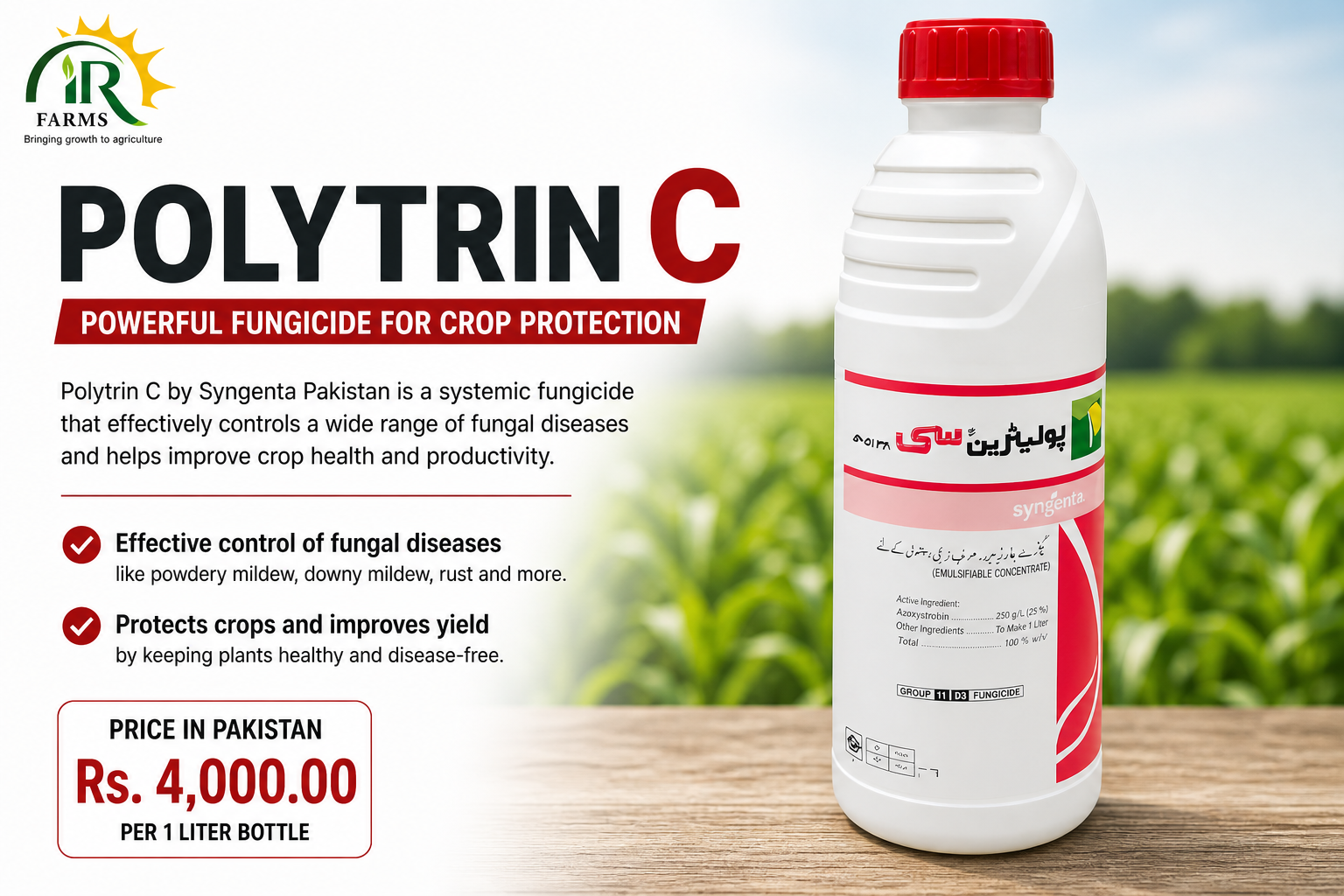
Polytrin C Price in Pakistan – Fungicide Uses & Dosage
In the agricultural sector, effective crop protection is essential for ensuring high yields and quality produce. Farmers constantly seek reliable methQods to control pests and diseases that threaten their crops. One such solution is Polytrin C, a widely used fungicide known for its effectiveness in managing a range of plant diseases. This blog post discusses the current Polytrin C price in Pakistan, its uses, dosage recommendations, and the role it plays in crop disease control.
What is Polytrin C?
Polytrin C is a fungicide produced by Syngenta Pakistan. It is formulated to target various fungal diseases that affect crops, making it an essential component of integrated pest management. Its active ingredients work to inhibit the growth of pathogens that can lead to significant losses in agricultural production.
Polytrin C is renowned for its wide application range in different crops, including cereals, vegetables, and fruit trees. By using this fungicide, farmers can help prevent diseases, thereby promoting healthier plants and better yield outcomes.
Current Polytrin C Price in Pakistan
As with any agricultural input, the price of Polytrin C can fluctuate based on market conditions, availability, and regional distribution. As of now, the average Polytrin C price in Pakistan is around PKR 1,500 to PKR 2,000 for a one-liter bottle. However, prices may vary slightly depending on your location and the retailer.
For the most accurate and up-to-date pricing, it’s advisable to check local agricultural supply stores or online platforms that specialize in agricultural products.
Uses of Polytrin C
Polytrin C serves multiple purposes in crop management. Its primary uses are:
1. Fungal Disease Management: It effectively controls diseases caused by fungi, including blights, rusts, and molds that can affect various crops.
2. Fruit and Vegetable Protection: Farmers can utilize Polytrin C to protect their fruit and vegetable crops from diseases like powdery mildew and downy mildew, ensuring better quality and harvests.
3. Integrated Pest Management (IPM): Polytrin C can be integrated into IPM programs, contributing to the overall health of crops while minimizing the reliance on broader-spectrum chemicals.
4. Soil Application: In addition to foliar treatments, Polytrin C can be used in certain amounts directly in the soil, offering robust protection right from the root stage.
5. Improved Yield: With proper usage, this fungicide helps in improving overall crop yield by ensuring that plants remain healthy throughout their growing season.
Recommended Dosage
Proper dosage of Polytrin C is crucial for maximizing effectiveness while minimizing potential risks to crops and the environment. The recommended dosage depends on several factors, including the target crop, the specific disease being controlled, and local agronomic conditions.
– For cereal crops, a typical dosage might be around 1.0 to 1.5 liters of Polytrin C mixed in 200 liters of water for foliar application, used at regular intervals.
– For vegetable crops, using 750 ml to 1 liter per hectare is often recommended, following specific agronomic advice for timing and frequency.
– Always follow the manufacturer’s guidelines and consult local agricultural extension services to optimize dosage strategies and timing for specific conditions.
It’s imperative to conduct a small test before full application, ensuring the crops react positively to the treatment.
Benefits of Using Polytrin C
Utilizing Polytrin C in agriculture offers several benefits:
1. Effective Disease Prevention and Control
Polytrin C has a proven track record in managing various crop diseases effectively. Its ability to penetrate plant tissues allows for thorough disease control.
2. Cost-effective Solution
With its competitive price and multifunctional uses, Polytrin C provides a cost-effective solution for managing crop health.
3. User-friendly Application
Polytrin C can be easily applied through sprayers, simplifying the application process for farmers.
4. Eco-friendly Approach
By utilizing Polytrin C within an integrated pest management framework, farmers can reduce dependence on more harmful pesticides, contributing to sustainable agriculture.
Application Method
To ensure the best results when using Polytrin C, follow these guidelines:
1. Preparation: Mix the recommended dosage of Polytrin C with water based on the application method indicated on the product label.
2. Application Timing: Apply during cooler parts of the day, usually in the morning or late afternoon. Avoid application during rain to ensure effectiveness.
3. Spraying Technique: Use adequate coverage while spraying to reach all affected plant parts. Ensure that both sides of the leaves and stems are thoroughly coated.
4. Safety Precautions: Always wear protective gear, including gloves and masks, when handling chemicals. Adhere strictly to safety guidelines detailed on the product label.
Crop Disease Control: Practical Insights
Effective crop disease control is vital for successful farming. Polytrin C fits well within this framework by controlling common agricultural diseases. Understanding the lifecycle of pathogens and their environmental triggers can enhance the effectiveness of fungicide applications.
Key Pests and Diseases Managed by Polytrin C
Knowing the diseases that Polytrin C helps manage can guide your application strategy. Some common diseases include:
– Powdery Mildew: Affects many crops, leading to reduced photosynthesis.
– Downy Mildew: Affects vegetables like cucumbers and can lead to crop failure if not controlled.
– Fusarium: A soil-borne pathogen affecting various crops, leading to rot and wilting.
By proactively addressing these diseases with Polytrin C, farmers can mitigate risks and enhance crop resilience.
Table: Comparison of Polytrin C Usage by Crop Types
Recommended Usage of Polytrin C
Crop TypeDosage (liters per hectare)Application FrequencyCereals1.0 – 1.5Every 14 daysVegetables0.75 – 1.0Every 10 daysFruits1.0Every 14 days
Understanding the specific requirements for each crop type allows farmers to implement Polytrin C effectively, ensuring optimal results and sustainable crop management.
FAQ Section
What is the active ingredient in Polytrin C?
The active ingredient in Polytrin C is typically azoxystrobin, a systemic fungicide that provides long-lasting control of fungal diseases.
How often should I apply Polytrin C to my crops?
Application frequency typically depends on the disease and environment, but generally, Polytrin C can be applied every 10 to 14 days based on the crop type and disease incidence.
Is Polytrin C safe for all types of crops?
Yes, Polytrin C is formulated for a broad range of crops; however, it is always advisable to check specific labels and recommendations for sensitive crops or species.
Can I mix Polytrin C with other agrochemicals?
Mixing Polytrin C with other products can be possible, but it’s important to consult with an agronomist or refer to the product label for compatibility information.
Where can I purchase Polytrin C in Pakistan?
Polytrin C is available at agricultural supply stores throughout Pakistan, as well as from online retailers specializing in agricultural chemicals.
What precautions should I take when using Polytrin C?
When using Polytrin C, always wear protective clothing, avoid spraying on windy days, and follow the manufacturer’s guidelines for safe handling and application.
Conclusion
In conclusion, Polytrin C is a vital tool for effective crop disease control in Pakistan’s agricultural landscape. With the appropriate knowledge of its price, application methods, and the diseases it controls, farmers can significantly enhance their crop health and yields. By integrating this fungicide into their pest management programs, they can ensure their crops receive the best protection against fungal threats. For further information and to explore purchase options, consider checking local suppliers or online retailers. With the right approach and products like Polytrin C, farmers can pave the way for a successful agricultural season.


