

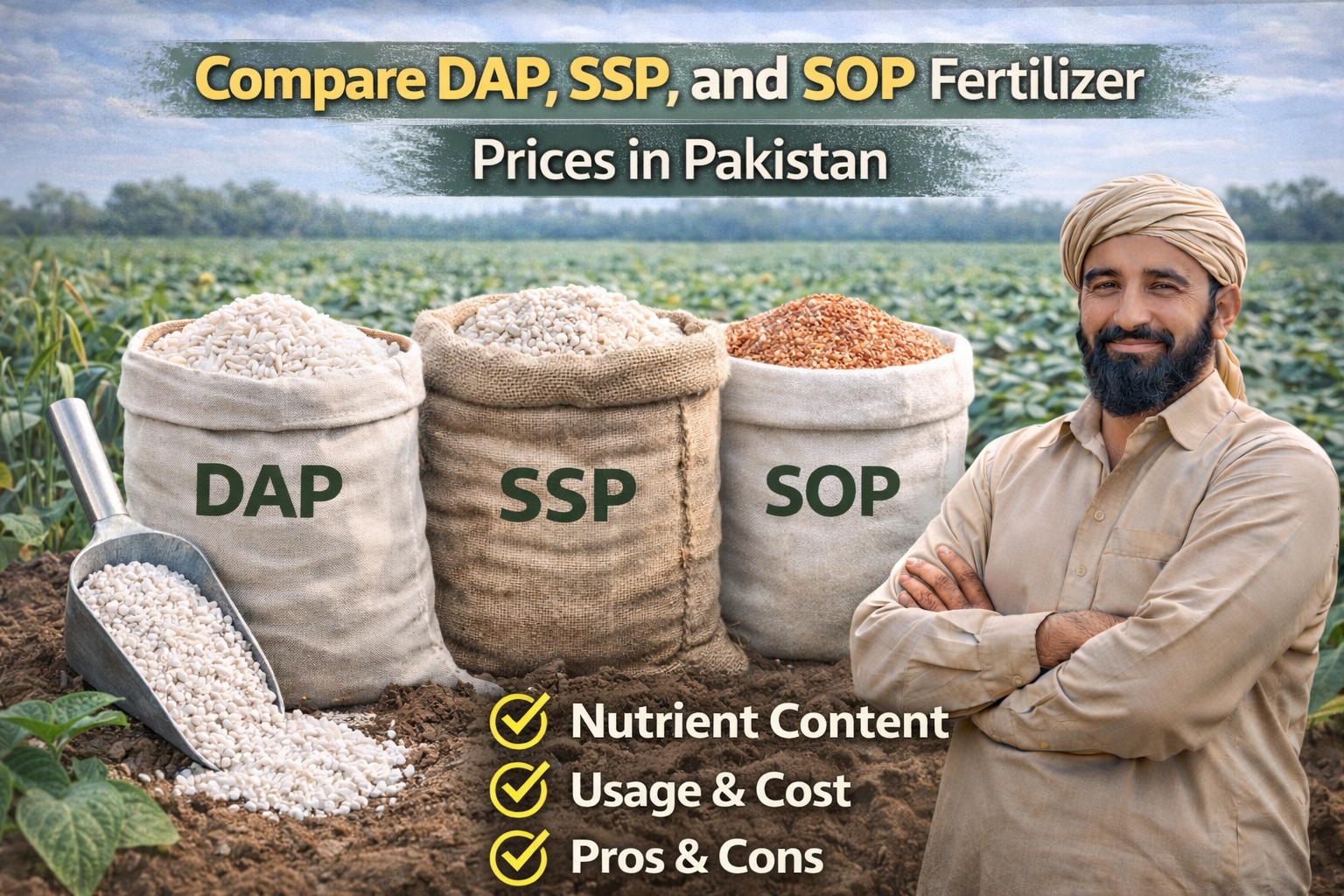
What Is the Difference Between DAP, SSP, and SOP Prices in Pakistan?
In agriculture, the choice of fertilizers is crucial for enhancing crop yield and soil fertility. In Pakistan, three primary types of fertilizers are frequently discussed: DAP (Diammonium Phosphate), SSP (Single Super Phosphate), and SOP (Sulfate of Potash). Each of these fertilizers serves distinct purposes and comes with unique pricing structures. This blog aims to unravel the complexities surrounding sop fertilizer prices in Pakistan, as well as the cost comparisons with SSP and DAP.
Understanding Fertilizer Types in Pakistan
Fertilizers are essential for boosting the productivity of crops. Let’s categorize the three primary types used in Pakistan:
1. DAP (Diammonium Phosphate): DAP is a highly concentrated source of phosphorus and nitrogen. It is often used to promote root development and improve flower formation.
2. SSP (Single Super Phosphate): SSP comprises calcium and phosphorus. It is beneficial for improving soil structure and increasing phosphorus availability to plants.
3. SOP (Sulfate of Potash): SOP is a potassium-based fertilizer that also contains sulfur. It enhances crop quality and overall plant health, making it a preferred choice for many growers, especially for fruits and vegetables.
The sop fertilizer price in Pakistan fluctuates based on several factors, including supply, demand, and global market trends.
Comparing DAP, SSP, and SOP: A Table Overview
To understand how these fertilizers stack up against each other, let’s compare them based on several key factors.
Comparison Factors for DAP, SSP, and SOP
| Factor | DAP Price | SSP Price | SOP Price |
|---|---|---|---|
| Primary Nutrients | Nitrogen (N) & Phosphorus (P) | Phosphorus (P) & Calcium (Ca) | Potassium (K) & Sulfur (S) |
| Usage Type | Broad-spectrum for various crops | Widely used in cereal crops and legumes | Best for fruits and flowering plants |
| Price Trends | Moderate to high | Low to moderate | Moderate |
| Application Rate | High (recommended 200–300 kg/ha) | Moderate (recommended 100–150 kg/ha) | Low (recommended 50–100 kg/ha) |
| Availability in Pakistan | Widely available | Abundant supply | Seasonally available |
Current Trends in Fertilizer Prices in Pakistan
The sop fertilizer price in Pakistan can fluctuate based on various market conditions. Recently, these prices have been influenced by several key factors:
1. Global Market Trends: Prices of agricultural inputs, including fertilizers, are often linked to international market dynamics. Changes in production costs and transportation can lead to increased prices domestically.
2. Local Supply and Demand: In Pakistan, the agricultural calendar plays a significant role in determining fertilizer prices. The demand usually surges during the sowing seasons, which can provide opportunities for farmers to negotiate better prices.
3. Government Policies: Subsidies and tariffs imposed by the government can affect pricing. Understanding these policies can help farmers make informed decisions about which fertilizers to purchase at what price.
Key Differences Between DAP and SSP
When considering dap vs sop and SSP, it’s essential to focus on their nutrient profiles and intended crop use.
– Nutritional Content: DAP is focused on nitrogen and phosphate, whereas SSP primarily provides phosphorus and calcium. This difference can significantly impact crop growth depending on soil conditions.
– Application Timing: Generally, DAP should be applied at planting time as it provides a kick-start in early plant growth. SSP can be used both at planting and during the growing season but is often applied to improve soil nutrient levels over time.
– Cost Considerations: While DAP is typically more expensive than SSP, it offers higher nutrient concentration per kilogram. This cost-benefit must be weighed carefully depending on the specific crops and soil conditions.
Choosing the Best Khad for Crops
With multiple fertilizer options available, selecting the best khad for crops requires an understanding of crop requirements and soil health. Here are some considerations:
– Soil Testing: Before applying any fertilizers, soil tests should be conducted to determine existing nutrient levels. This helps in making better fertilizer choices that can improve soil health and crop yield.
– Crop Requirements: Different crops have different nutrient requirements. For instance, high-yield crops may need more nitrogen, while root vegetables might benefit from increased phosphorus levels.
– Cost Efficiency: Farmers should consider the long-term benefits of a fertilizer. While cheaper options like SSP might seem appealing, the enhanced yield offered by DAP may justify the higher costs.
Frequently Asked Questions (FAQ)
1. What is the current price of SOP fertilizer in Pakistan?
The price of SOP fertilizer varies depending on market conditions but is generally moderate compared to DAP.
2. How do I know if I need to use DAP or SSP?
Conduct soil testing to assess nutrient levels for specific crops. DAP is recommended for nitrogen-hungry crops, while SSP is better for phosphorus and calcium needs.
3. Which fertilizer is more effective for fruit crops?
SOP is often recommended for fruit crops due to its potassium content, which helps in fruit quality and overall plant health.
4. Can I use these fertilizers interchangeably?
While some overlap exists, it is crucial to match fertilizers with crop needs. Using them interchangeably might not yield optimal results.
5. Are there any environmental concerns regarding fertilizer use?
Over-fertilization can lead to nutrient runoff and soil degradation. It is essential to follow recommended application rates and consider organic options when possible.
Conclusion
Understanding the differences between DAP, SSP, and SOP prices in Pakistan is essential for achieving successful agricultural outcomes. Each fertilizer fulfills unique roles in plant growth and nutrition, making them indispensable for farmers aiming for higher yields. By considering sop fertilizer prices in Pakistan along with current market trends and crop requirements, farmers can make informed decisions that align with their goals. This approach not only promotes better crop health but also ensures sustainable farming practices in the long run.


