

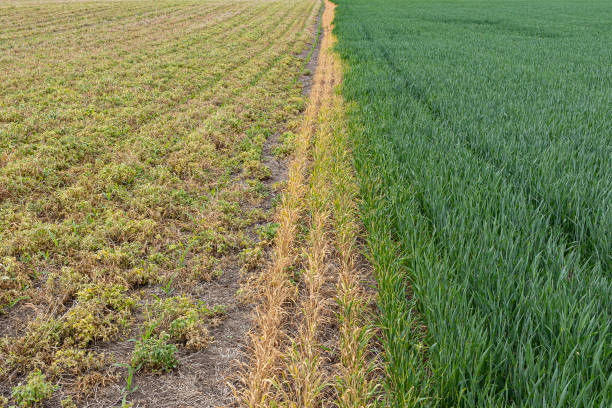
Ghalat Spray Fasal Ko Nuksan Kyun Deta Hai? Sahi Spray Schedule Samjhein
Agriculture is a delicate balance of science and art, requiring constant attention to various factors affecting crop health and yield. Among the many practices essential for successful farming, the correct use of pesticides through a well-planned spray schedule is paramount. Unfortunately, misinformation and careless practices lead to what we refer to as ghalat spray nuksan, or the damage caused by incorrect spraying methods.
In this article, we will dive into the reasons behind crop damage due to improper spraying, discuss common mistakes made by farmers when applying pesticides, and provide a comprehensive guide to create the optimal spray schedule for your crops in Pakistan.
Understanding the Importance of Spray Scheduling
Before delving into the specifics of how wrong spraying can hurt your crops, it’s crucial to grasp the significance of an effective spray schedule. A spray schedule helps farmers determine when and how much pesticide to use based on various factors, including crop type, growth stage, weather conditions, and prevalent pests or diseases.
Why Does Ghalat Spray Lead to Damage?
One of the main reasons behind ghalat spray nuksan is improper application techniques. Some common issues include:
1. Incorrect Dosage: Using too much pesticide can lead to toxicity in crops, while using too little may not effectively manage pests.
2. Poor Timing: Spraying pesticides when beneficial insects are present or under adverse weather conditions can exacerbate the issue.
3. Wrong Product Choice: Not all pesticides are suitable for every crop or pest, leading to ineffective treatment and crop stress.
As a farmer, being aware of these factors will help you make informed decisions and avoid the pitfalls associated with spray schedule mistakes.
Common Pesticide Spray Mistakes
In the realm of agriculture, avoiding pesticide spray mistakes is vital for crop health. Below are some frequent missteps to be wary of:
– Spraying Without Diagnosis: Applying pesticides without first identifying the pest or disease can lead to wasted resources and crop loss.
– Ignoring Environmental Conditions: Weather plays a crucial role in the efficacy of pesticide applications. Spraying during high winds or imminent rain can reduce effectiveness.
– Neglecting Safety Protocols: Using protective gear and understanding the toxicity levels ensures the safety of both the farmer and the environment.
– Lack of Record-Keeping: Not documenting spray applications makes it difficult to track what worked and what needs adjustment.
By recognizing these mistakes, farmers can better prepare and implement an effective farming spray guide.
How to Create a Perfect Spray Schedule
Creating a precise spray schedule tailored to your specific crops and conditions is key to minimizing crop damage reasons associated with pesticide use. Here’s a step-by-step approach:
Step 1: Identify Your Crop Type and Growth Stage
Each crop has specific needs at different growth stages. Knowing your plants will inform the type of pesticides best suited for their protection.
Step 2: Monitor Pest Levels
Regularly checking for pest activity helps you identify the best timing for spraying. Use sticky traps, scouting reports, and historical data to understand pest emergence.
Step 3: Choose the Right Product
Not every product is formulated for all pests or crops. Consult labels, agricultural extension services, or pest management experts to choose the right pesticide.
Step 4: Establish Optimal Conditions for Spraying
Timing is everything! Check weather forecasts to select a calm, dry day for spray applications, reducing drift and runoff.
Step 5: Follow Recommended Dosages
Adhere strictly to the pesticide label instructions regarding dosage to ensure effectiveness while minimizing harm to crops.
Key Factors to Consider in Your Spray Schedule
To further elaborate, let’s take a look at essential variables that should influence your spray schedule:
Comparison Factors for an Effective Spray Schedule
| Factor | Description |
|---|---|
| Crop Type | Different crops have varying vulnerabilities to pests and diseases. |
| Growth Stage | Spray timing differs for seedlings, vegetative stages, and maturity. |
| Weather Conditions | Wind, rain, and temperature affect spray efficacy and drift risk. |
| Pest Lifecycle | Understanding pest life cycles aids in timing for maximum impact. |
| Soil Health | Healthy soil may bolster plant resistance naturally, affecting spray needs. |
Agriculture Spray Tips for Success
In addition to creating a spray schedule, consider the following agriculture spray tips to ensure safety and efficacy:
– Always read and follow the pesticide label.
– Wear protective clothing and gear when handling and applying chemicals.
– Maintain your spray equipment for optimal performance.
– Rotate pesticides with different modes of action to prevent resistance.
– Engage in integrated pest management (IPM) practices to enhance long-term sustainability.
FAQs About Ghalat Spray Nuksan and Spray Scheduling
Q1: What is ghalat spray nuksan?
A1: Ghalat spray nuksan refers to the damage caused to crops due to incorrect application of pesticides, including wrong dosage, timing, or product choice.
Q2: How can I learn about proper spray scheduling?
A2: Consulting with agricultural extension services, online farming resources, and experienced farmers can provide valuable insights into effective spray scheduling.
Q3: What are the common signs of pesticide damage in crops?
A3: Wilting, yellowing of leaves, stunted growth, and poor yield are common indicators of pesticide damage.
Q4: Is it safe to use pesticides around beneficial insects?
A4: It’s crucial to time applications to minimize the impact on beneficial insects, which can often be achieved through targeted spraying practices.
Conclusion
In the world of agriculture, understanding the importance of scheduling your pesticide applications cannot be overstated. The dangers of ghalat spray nuksan—the damage caused by incorrect spraying—are significant, but with careful planning and informed decision-making, farmers can enhance crop health and yield.
By implementing proper agriculture spray tips, acknowledging common mistakes, and creating a tailored spray schedule, you can protect your crops efficiently while promoting sustainable farming practices. Always stay informed, monitor your crops regularly, and make adjustments as needed to optimize your farming efforts. The key to success lies in your dedication to careful, informed pesticide use.


