

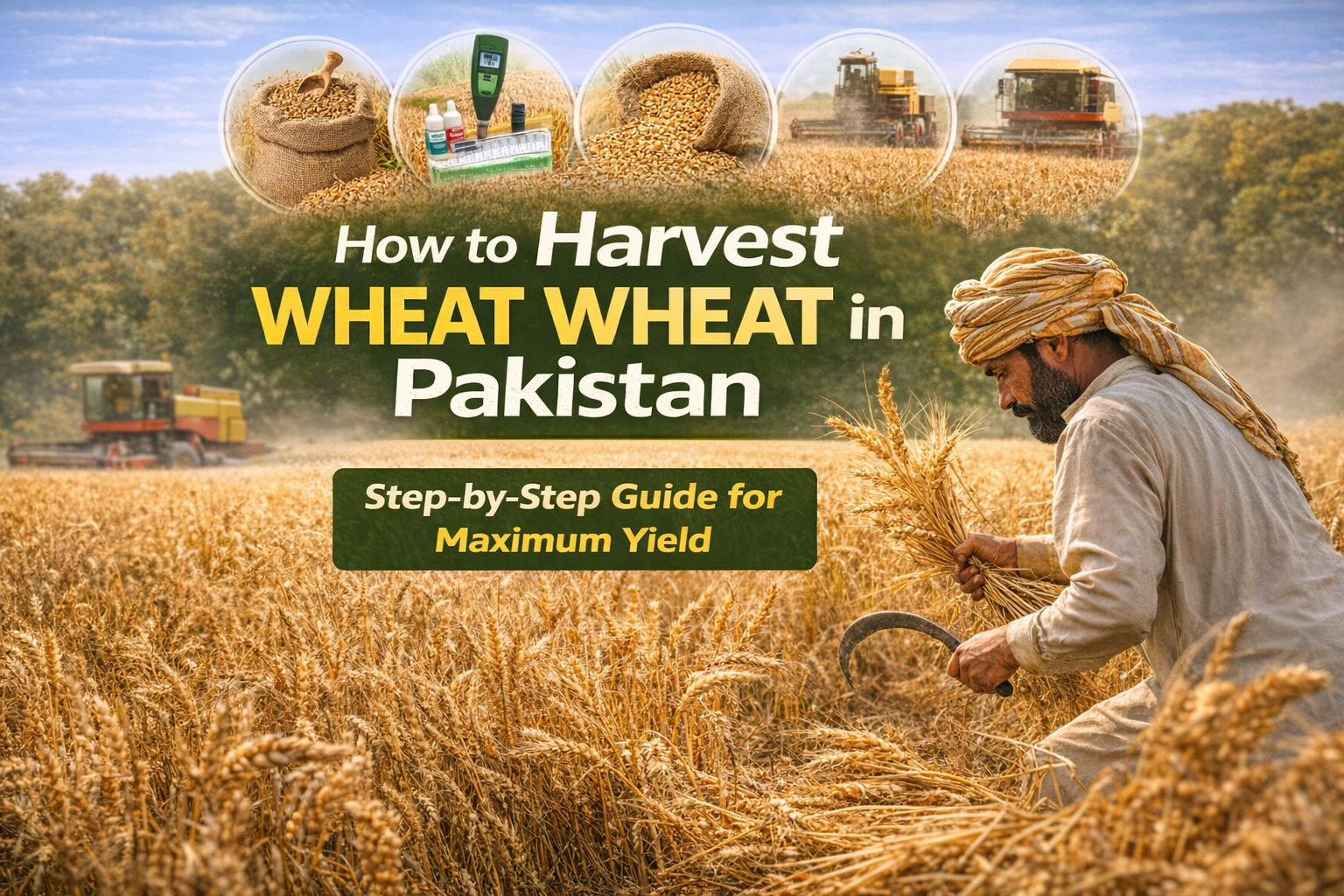
How to Harvest Wheat in Pakistan: Step-by-Step Guide for Maximum Yield
Harvesting wheat is a crucial task for farmers in Pakistan, a country with a rich agricultural heritage. Understanding how to harvest wheat efficiently can lead to better yields and improved quality of grain. In this comprehensive guide, we’ll explore various wheat harvesting methods in Pakistan, discuss the differences between manual vs combined harvesting, provide insights on the best time to harvest wheat, and offer wheat yield improvement tips.
Understanding Wheat Growth Stages
Before diving into how to harvest wheat, it’s essential to understand the growth stages of wheat. Wheat generally goes through several stages:
1. Germination: Seeds absorb moisture and start sprouting.
2. Tillering: Additional shoots develop from the base of the plant.
3. Booting: The heads begin to form but are still enclosed in leaves.
4. Flowering: Pollination occurs, leading to grain development.
5. Ripening: Grains mature, changing color and losing moisture.
Knowing these stages will help determine the best time to harvest wheat, ensuring optimal grain quality and yield.
The Best Time to Harvest Wheat
Wheat should ideally be harvested when the grains are hard and the moisture content is around 12-14%. This typically occurs 7-10 days after the heads have changed color. Harvesting too early can lead to lower yields, while harvesting too late can cause losses due to shedding or spoilage.
In Pakistan, the harvest season generally falls between April and June, but this can vary depending on the region and the specific wheat variety. Monitoring the growth stages closely is crucial to determine the right timing.
Wheat Harvesting Methods in Pakistan
Selecting the appropriate harvesting method can greatly influence your yield. Here are the two primary techniques:
Manual Harvesting
Manual harvesting involves using traditional tools like sickles to cut wheat by hand. This method is labor-intensive but allows for careful selection and handling of the grains. It is often practiced in smaller farms or regions where labor is abundant.
Advantages of Manual Harvesting:
– Low cost: Requires minimal investment in machinery.
– Careful handling: Reduces damage to the grains.
Disadvantages of Manual Harvesting:
– Time-consuming: Slower process, especially in larger fields.
– Labor-intensive: Requires a significant workforce.
Combined Harvesting
Combined harvesting employs machines, known as combines, which can efficiently cut, thresh, and clean the grain in one operation. This method is becoming increasingly popular due to the rising availability of agricultural machinery in Pakistan.
Advantages of Combined Harvesting:
– Time-efficient: Can cover large areas quickly.
– Higher productivity: Reduces labor costs and overall harvest time.
Disadvantages of Combined Harvesting:
– Higher initial investment: Requires purchasing or renting machinery.
– Maintenance: Regular upkeep of machines is necessary.
Comparison of Manual and Combined Harvesting Methods
| Comparison Factor | Manual Harvesting | Combined Harvesting |
|---|---|---|
| Cost | Lower initial cost | Higher initial investment |
| Labor Requirement | High manpower needed | Significantly lower manpower needed |
| Speed | Slower process | Fast and efficient |
| Grain Quality | Gentler on grains | Risk of grain damage if not operated properly |
| Field Coverage | Limited to small areas | Capable of covering large fields |
The choice between manual and combined harvesting methods will largely depend on the scale of operation and available resources. Smaller farmers might still prefer manual techniques, while larger operations might opt for combines.
Wheat Yield Improvement Tips
Improving wheat yield involves a combination of good agricultural practices and effective harvesting techniques. Here are some actionable tips to consider:
1. Soil Preparation: Ensure proper soil preparation before sowing, including plowing, leveling, and fertilization based on soil tests.
2. Seed Quality: Use certified seeds that are high in quality and suitable for local conditions.
3. Irrigation Management: Implement efficient irrigation techniques to optimize water usage during dry spells.
4. Pest and Disease Control: Monitor crops regularly for signs of pests or diseases and apply treatments as needed.
5. Proper Nutrient Management: Use fertilizers judiciously, based on soil nutrient availability and crop needs.
6. Suitable Sowing Practices: Follow recommended sowing dates and plant densities for optimal growth.
Applying these techniques throughout the growing cycle can lead to significant improvements in yield, providing better returns for your hard work.
Preparing for the Harvest
As you approach the harvest period, there are certain preparations that must be made:
– Equipment Check: Whether manual or machine harvesting, ensure that tools are sharp and well-maintained.
– Area Clear-up: Remove any obstacles or debris from the harvesting area to ensure a smooth operation.
– Weather Monitoring: Keep an eye on weather forecasts to avoid harvesting during rain, which can damage the grain.
Harvesting Techniques for Maximum Efficiency
When implementing your chosen harvesting method, consider the following techniques to maximize efficiency:
1. Timing: As mentioned earlier, harvest at the optimal moisture level.
2. Worker Coordination: For manual harvesting, ensure that workers are trained and coordinated for efficient cutting and handling.
3. Machinery Settings: For combined harvesters, adjust the settings according to the crop conditions to minimize grain loss.
Frequently Asked Questions
Q1: What is the best time to harvest wheat in Pakistan?
The best time to harvest wheat is typically between April and June, when grains reach optimum hardness and moisture content is around 12-14%.
Q2: What are some common wheat harvesting methods in Pakistan?
In Pakistan, common methods include manual harvesting with sickles and mechanical harvesting using combines.
Q3: How can I improve my wheat yield?
Improving yield can be achieved through soil preparation, quality seeds, effective irrigation, pest control, and suitable nutrient management.
Q4: Are there any disadvantages to manual harvesting?
Yes, manual harvesting is labor-intensive and time-consuming compared to combined harvesting methods.
Q5: Can I use both manual and combined methods?
Yes, you can use both methods according to your farm size and available resources, perhaps even transitioning from manual to combined as your farm grows.
Conclusion
In summary, understanding how to harvest wheat in Pakistan is essential for achieving maximum yield. With the information on various harvesting methods—manual versus combined, the right timing for harvesting, and tips for improving wheat yield—you can make informed decisions that benefit your agricultural ventures. Always remember to monitor environmental conditions and adjust your techniques accordingly to optimize results. Happy harvesting!


