

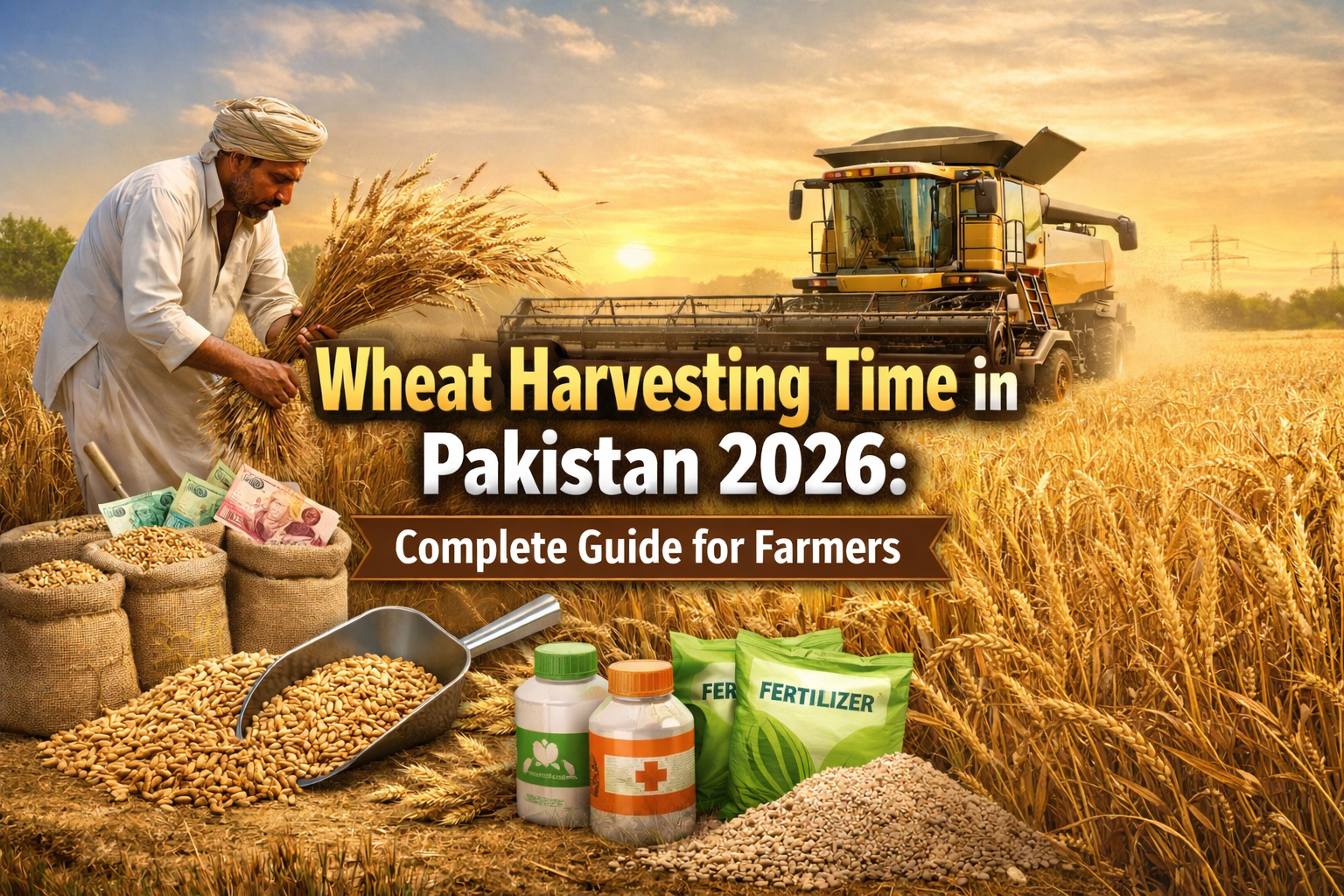
Wheat Harvesting Time in Pakistan 2026: Complete Guide for Farmers (Rates, Profit & Tips)
Wheat is a staple food in Pakistan, making its harvesting a crucial part of the agricultural calendar. As farmers gear up for the 2026 wheat harvest, it’s essential to understand the optimal wheat harvesting time in Pakistan 2026 to yield the best results. This comprehensive guide offers insights into the wheat harvesting season in Pakistan, the best practices for cutting wheat, profitability considerations, and expert tips to enhance your harvest.
Understanding the Wheat Harvesting Season in Pakistan
In Pakistan, the wheat harvesting season generally begins in the April to May period. Depending on the region, temperatures, and climatic conditions, the time may vary slightly. Generally, the wheat cutting time in Punjab Pakistan, one of the largest wheat-producing regions, falls around late April to early May. Understanding the climate and seasonal patterns can significantly impact the yield and quality of the harvest.
Factors that Influence Wheat Harvesting Time
Several factors can affect the wheat harvesting time in Pakistan 2026:
1. Climate Conditions: Variability in temperature and rainfall can lead to earlier or later harvest times.
2. Crop Variety: Different wheat varieties mature at varying times, affecting the overall harvest period.
3. Regional Differences: The geographical variance in Pakistan influences when different regions can harvest their crops.
Optimal Wheat Harvesting Practices
Effective harvesting practices can enhance productivity and profitability. Here are some recommended practices that farmers should consider during the wheat harvesting season.
Timing is Everything
Harvesting wheat at the right time is crucial for maximizing yield quality. Waiting too long can lead to kernel shattering and reduced quality, while harvesting too early can prevent the crops from reaching full maturity.
Best Practices for Wheat Cutting
1. Observing Plant Maturity: Ensure that at least 80% of the wheat heads are golden brown before harvesting.
2. Weather Monitoring: Aim to harvest during dry weather to avoid excess moisture that can damage the crop.
3. Utilizing the Right Tools: Ensure that your harvesting tools, whether mechanical or manual, are sharp and well-maintained for efficient cutting.
Comparison of Wheat Harvesting Methods in Pakistan
| Factor | Manual Harvesting | Mechanical Harvesting |
|---|---|---|
| Cost | Lower initial costs | Higher initial investment |
| Labour Requirements | High labour requirements | Low labour requirements |
| Efficiency | Slower process | Quicker and more efficient |
| Crop Damage | Higher risk of crop damage | Lower risk of crop damage |
| Best For | Small farms | Large-scale operations |
Wheat Harvesting Rates and Profitability in 2026
Understanding the economic aspect is critical for farmers. In 2026, the rates for wheat harvest and the profitability of the crop will significantly depend on both national and international market trends.
Current Market Rates
As of the latest reports, wheat prices in Pakistan have shown fluctuations based on their demand and supply dynamics. The average market rate of wheat can vary significantly from urban to rural areas, making it essential for farmers to stay updated on current prices.
Maintaining Profit Margins
To secure a decent profit margin, farmers need to consider the following factors:
1. Cost of Production: Understanding the overall cost of inputs is key. This includes seeds, fertilizers, and labor.
2. Market Timing: Selling wheat when prices are high can boost profits significantly.
3. Quality Assurance: Higher quality wheat can fetch better prices in the market.
Wheat Harvest Tips for Farmers in Pakistan
The following tips can help farmers ensure a successful wheat harvest:
Preparation Before Harvesting
– Soil Testing: Before planting, testing the soil can provide vital information regarding its nutrient content and pH, helping you optimize crop yield.
– Pest and Disease Management: Implement pest control strategies throughout the growing season to minimize crop loss.
Harvest Strategies
– Community Cooperation: Sharing resources and labor with neighboring farmers can optimize the harvesting process and reduce overall costs.
– Utilizing Technology: Consider using apps and digital platforms to monitor weather patterns and market prices, assisting in better planning.
Post-Harvest Management
1. Proper Drying Techniques: Post-harvest, ensure that wheat is dried adequately to prevent mold and spoilage.
2. Storage Solutions: Invest in high-quality storage facilities to keep your wheat safe until you decide to sell it.
FAQ Section
What is the average wheat harvesting time in Pakistan?
The average wheat harvesting time in Pakistan typically falls between April and May, depending on regional climatic conditions.
How can I ensure higher wheat yields in 2026?
To ensure higher yields, focus on soil health, pest management, optimal planting times, and good harvesting practices.
What are the current wheat rates in Pakistan?
Wheat rates tend to fluctuate based on market demand and supply, but it is advisable to check current market prices before selling.
What tools are best for harvesting wheat in Pakistan?
Depending on the scale of your farming, mechanical harvesters are more efficient for larger amounts, while hand tools may suffice for smaller plots.
How can I improve the quality of my wheat crop?
Focus on quality seeds, proper fertilization, pest control, and timely harvesting to improve your crop quality.
Conclusion
In summary, understanding the wheat harvesting time in Pakistan 2026 is essential for successful farming. By planning ahead, employing best practices, monitoring market trends, and optimizing post-harvest management, farmers can enhance both yield and profitability. As you approach the upcoming wheat season, utilize the tips outlined above to ensure a prosperous harvest. Stay informed, adapt to changing conditions, and leverage community resources for optimum results in your wheat farming endeavors.


