

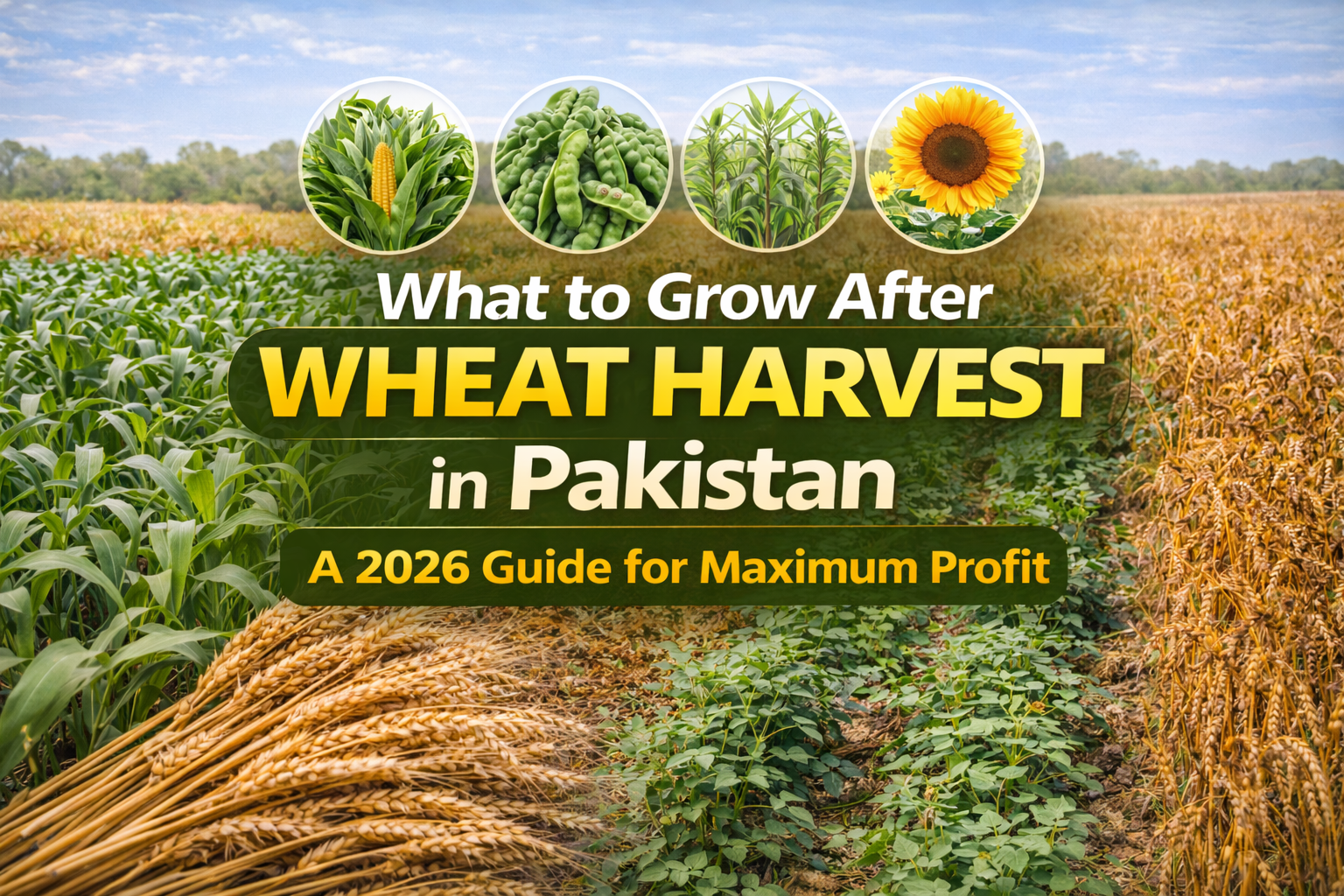
What to Grow After Wheat Harvest in Pakistan: A 2026 Guide for Maximum Profit
The agricultural landscape of Pakistan is rich and diverse, with wheat being one of the country’s primary crops. As we approach the 2026 wheat harvesting season in Pakistan, farmers and agricultural enthusiasts must consider *what to grow after wheat in Pakistan* to maximize profits and maintain soil health. This post will provide comprehensive insights on profitable crops, best practices for crop rotation, intercropping options, and much more.
Understanding the Wheat Harvesting Season in Pakistan 2026
Before diving into the crops to grow post-harvest, it’s crucial to understand the timeline of the *wheat harvesting season in Pakistan 2026*. Wheat is typically sowed in October and November, with harvesting occurring from April to June. This means that the window for planting subsequent crops begins immediately after harvesting, allowing farmers to capitalize on the fertile soil.
Best Crops to Grow After Wheat Harvest
After wheat harvesting, choosing the right crops can significantly enhance your yield and earnings. Here are some of the *best crops after wheat harvest*:
1. Maize (Corn): Maize is one of the most popular crops to grow after wheat. It has a short growing season and thrives in the summer heat, making it an ideal choice after wheat.
2. Mung Bean: This nutrient-rich legume can be sown right after wheat and is known for its quick growth. *Mung bean after wheat* is a solid option due to its ability to enrich soil with nitrogen.
3. Sesame: The sesame crop in Pakistan grows well in dry conditions and is a profitable option for farmers looking to diversify.
4. Sunflower: Growing *sunflower after wheat in Pakistan* can provide an excellent yield. It’s a cash crop, known for its seeds and oil extraction.
Short Duration Crops After Wheat
For those eager to achieve rapid results, consider these *short duration crops after wheat*:
– Radish: This root vegetable has a quick turnover rate and can be planted after the wheat harvest. It requires minimal maintenance and can be harvested in just a few weeks.
– Spinach: Spinach is another quick-growing vegetable that thrives in the transitional season.
– Okra: Known for its resilience in warmer temperatures, growing okra can yield good returns within a couple of months.
Profitable Crops After Wheat in Pakistan
When evaluating the profitability of crops following wheat, some stand out for their commercial viability:
– Chickpeas: These legumes are not only nutritious but also in high demand, making them a smart option for farmers.
– Cotton: While slightly more challenging to cultivate, cotton can bring substantial profits due to its high demand in both local and international markets.
– Fodder Crops: Cultivating *fodder crops after wheat* can support local dairy and livestock industries, providing consistent income.
Intercropping After Wheat
Intercropping, or growing two or more crops in proximity, can maximize land use and minimize pests and diseases. Some effective intercropping strategies include:
– Mung Bean with Maize: This combination can utilize space effectively, with the maize providing shade for the mung beans.
– Chickpeas with Wheat: Using chickpeas as a follow-up crop after winter wheat not only helps with soil fertility but also diversifies the yields.
Crop Rotation After Wheat in Pakistan
Implementing a well-planned *crop rotation after wheat in Pakistan* can optimize soil health and increase overall productivity. Here’s a basic structure for rotation:
1. Wheat -> 2. Mung Bean or Pulses -> 3. Maize -> 4. Fodder Crops or Oilseeds
This approach helps break pest cycles and prevents soil nutrient depletion.
Best Crops to Grow After Wheat Harvest
| Crop | Growth Duration | Profitability |
|---|---|---|
| Maize | 3-4 months | High |
| Mung Bean | 3–4 months | high |
| Sesame | 3.5 to 4 months | very high |
| Sunflower | 3.5 to 4 months | High (Very High) |
| Chickpeas | 4-5 months | High |
| Cotton | 5-6 months | Very High |
Summer Crops in Pakistan After Wheat
The hot summer months offer a chance to plant various crops that thrive in higher temperatures. Notable *summer crops in Pakistan after wheat* include:
– Pumpkins: They can be harvested in late summer and are highly nutritious.
– Tomatoes: Another lucrative option, tomatoes can be extremely profitable in the hot season.
Vegetables to Grow After Wheat Harvest
Growing vegetables post-wheat can diversify your farm and provide steady income. Some popular *vegetables to grow after wheat harvest* include:
– Bell Peppers: These can be marketed easily and yield well in favorable conditions.
– Cucumbers: Fast-growing and refreshing, cucumbers have high demand in both local markets and abroad.
– Eggplants: Known for their versatility, adding eggplants to your crop can enhance market offerings.
Gap Filling Crops After Wheat
*Gap filling crops after wheat* are those that can be planted in areas where wheat didn’t yield sufficiently or in spaces that need utilization. These include quick-growing green manures or vegetables that can both improve soil health and generate profit.
FAQ Section
Q1: What are the best short-duration crops to grow after wheat in Pakistan?
A1: The best short-duration crops include mung beans, radishes, and spinach, as they grow rapidly and are easy to cultivate.
Q2: Can intercropping after wheat improve yields?
A2: Yes, intercropping can optimize land use, reduce pest issues, and increase overall yields.
Q3: What is the importance of crop rotation after wheat?
A3: Crop rotation helps maintain soil health, reduces pest cycles, and enhances biodiversity on your farm.
Q4: Are sunflower and sesame profitable crops to grow?
A4: Yes, both sunflower and sesame are considered profitable due to high demand in local and export markets.
Q5: How can I ensure my soil remains fertile after harvesting wheat?
A5: Implementing cover crops, planting legumes, and maintaining proper soil management practices can enhance soil fertility.
Conclusion
In summary, engaging effectively with the agricultural opportunities post-wheat harvest in Pakistan can lead to significant financial benefits and environmentally sustainable practices. Armed with the right knowledge and strategies, farmers can make informed decisions and ensure successful crop yields.


